July 6, 2026
Choosing the right surface for a kitchen remodel is a major decision that balances aesthetic appeal, long-term durability, and daily maintenance requirements. Quartz and granite remain the two most popular premium kitchen countertops on the modern market, each offering distinct advantages for homeowners. This comprehensive comparison will analyze both materials across key performance indicators to help you select the ideal surface for your culinary space.
Analyzing the Material Composition
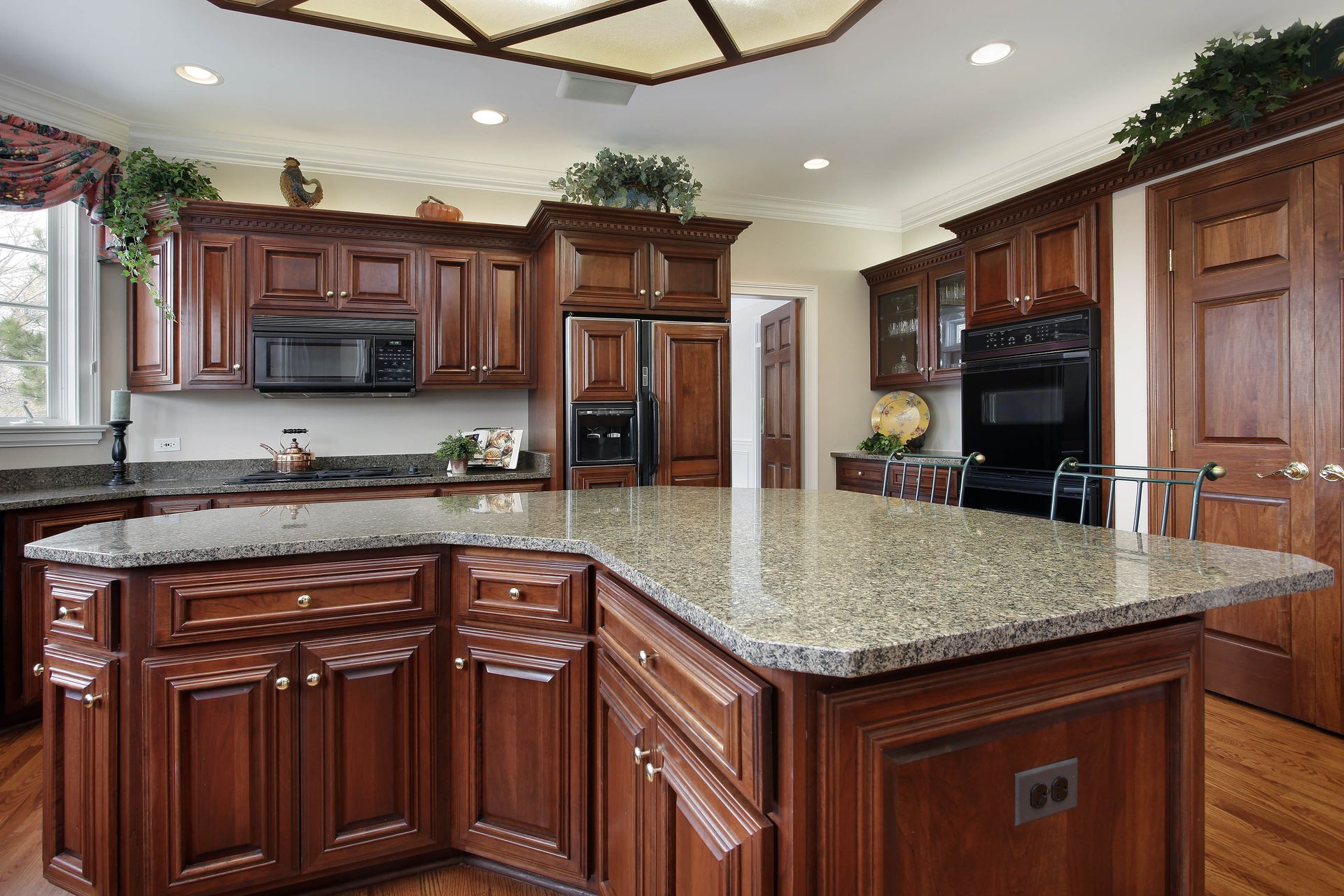
To understand how these surfaces perform in a busy household, one must first examine what they are actually made of. Granite is an entirely natural igneous rock quarried directly from the earth in massive blocks, which are then sliced into thin slabs and polished to a high sheen. Because it is completely organic, no two granite slabs are identical, featuring completely unique veining, swirling patterns, and mineral flecks created by geothermal forces over millions of years. This natural origin gives granite an organic authenticity that synthetic products struggle to perfectly replicate, appealing strongly to traditionalists and nature enthusiasts alike.
Quartz, conversely, takes a more engineered approach to surface design. According to HomeGuide, quartz countertops are engineered surfaces created by blending roughly 90% crushed natural quartz with 10% polymer binding resins and color pigments. This manufacturing process eliminates the natural fissures and structural unpredictability found in quarried stone. By controlling the mixture, manufacturers can produce highly consistent slabs that mimic exotic stones or showcase sleek, modern, solid colors that do not exist in nature. The presence of resin completely transforms the physical behavior of the material, filling in microscopic voids that would otherwise require regular maintenance.
Evaluating the Overall Durability
Both materials are exceptionally resilient, but their engineering differences affect how your countertops will withstand daily wear and tear. Granite is celebrated for its extreme hardness and incredible heat resistance, allowing it to tolerate hot pots and pans placed directly onto its surface without blistering or melting. However, because it is a natural stone, it possesses a porous crystalline structure that can chip if struck by heavy cast-iron cookware, or crack if subjected to uneven stress. In our experience, these natural vulnerabilities require a degree of caution, though severe damage is relatively rare under standard household conditions.
Quartz edges out granite slightly when it comes to impact resistance and tensile strength. The resin binders create a slightly flexible matrix that absorbs shocks more effectively than solid stone, making it highly resistant to chipping, cracking, and scratching during heavy use. However, its primary weakness is thermal sensitivity. We find the resin binders can discolor or warp if exposed to temperatures exceeding 300 degrees Fahrenheit. While you must use trivets or hot pads with engineered stone, its overall structural toughness makes it almost immune to the structural cracking that can occasionally plague natural slabs.
Comparing the Maintenance Requirements
Long-term upkeep is often the deciding factor for busy homeowners who want premium aesthetics to their countertops without tedious chores. Granite requires a dedicated maintenance schedule because its porous surface naturally absorbs liquids, oils, and acids over time. To prevent permanent staining and bacterial growth within the pores, granite must be sealed upon installation and resealed annually or biannually depending on usage. In our experience, cleaning must be done with pH-neutral stone cleaners, as harsh acidic chemicals like vinegar, lemon juice, or bleach can strip the sealant and dull the polished finish.
Quartz completely redefines the maintenance equation by offering an entirely non-porous workspace. Because the resin completely seals the material during manufacturing, it never requires sealing, polishing, or conditioning throughout its entire lifespan. Spills from red wine, coffee, olive oil, and citrus juice sit harmlessly on the surface without penetrating, making cleanup as simple as wiping the area with warm water and mild dish soap in our experience. This resistance to liquid absorption also makes it highly hygienic, preventing bacteria, mold, and mildew from harboring inside the workspace.
Examining the Design Flexibility
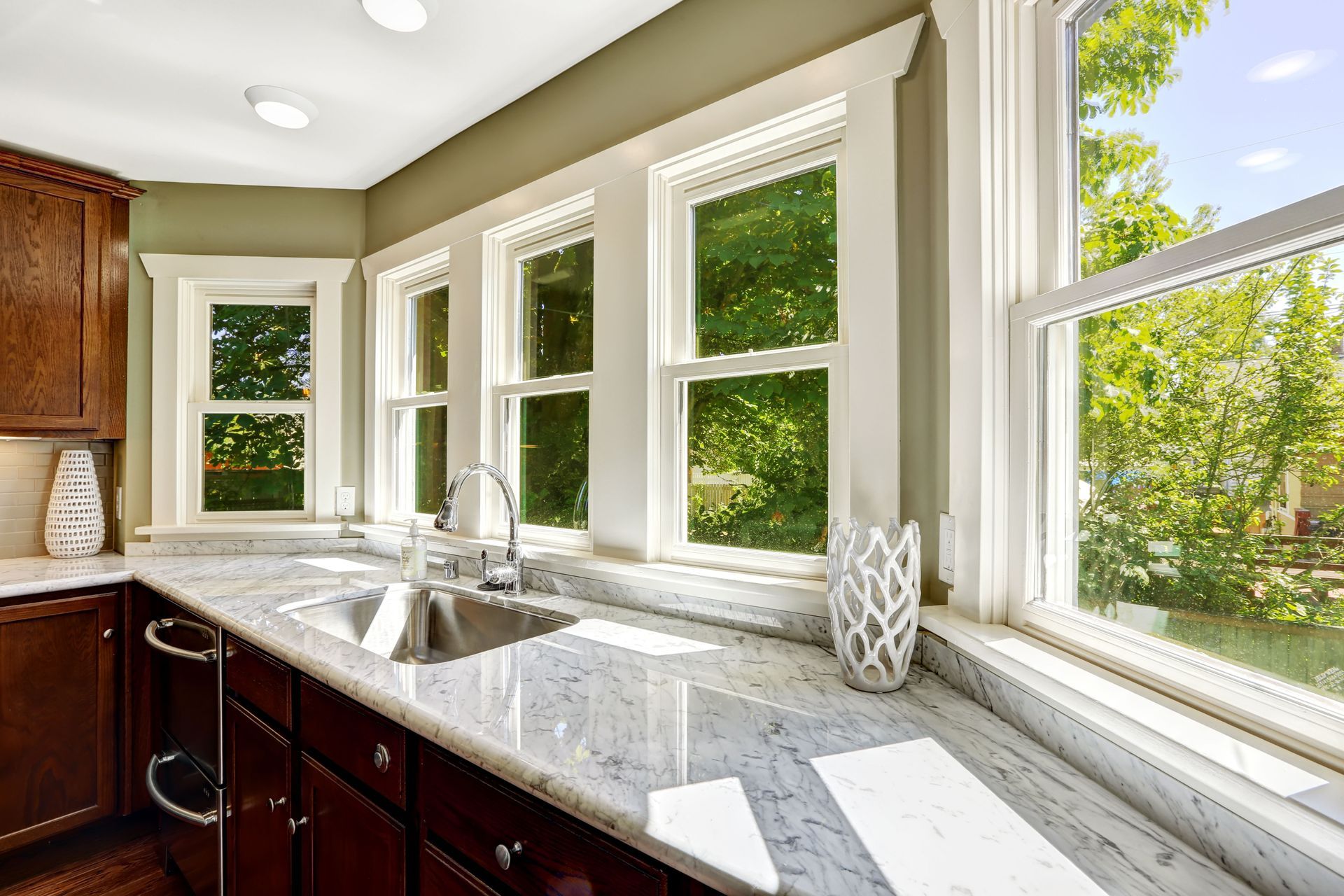
The visual impact the material of your countertops will dictate the entire design scheme of your kitchen. Granite provides unmatched natural drama, featuring depth, texture, and iridescent mineral flecks that shift visual character under changing light conditions. For homeowners seeking a one-of-a-kind center island, natural stone offers a unique artistic statement that can never be replicated in another home. The challenge, however, comes in matching seams during installation, as the unpredictable patterns can create jarring transitions where two slabs meet.
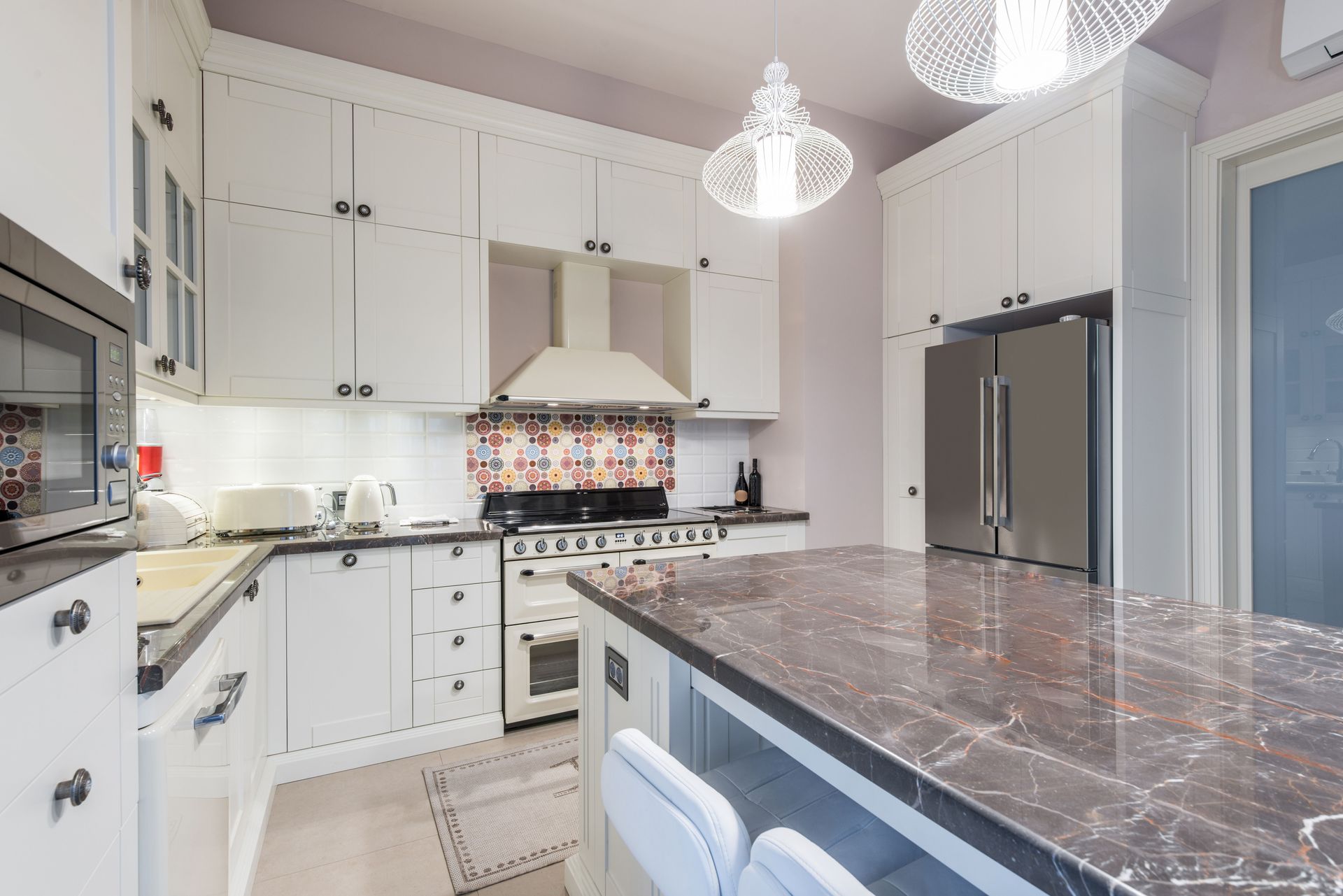
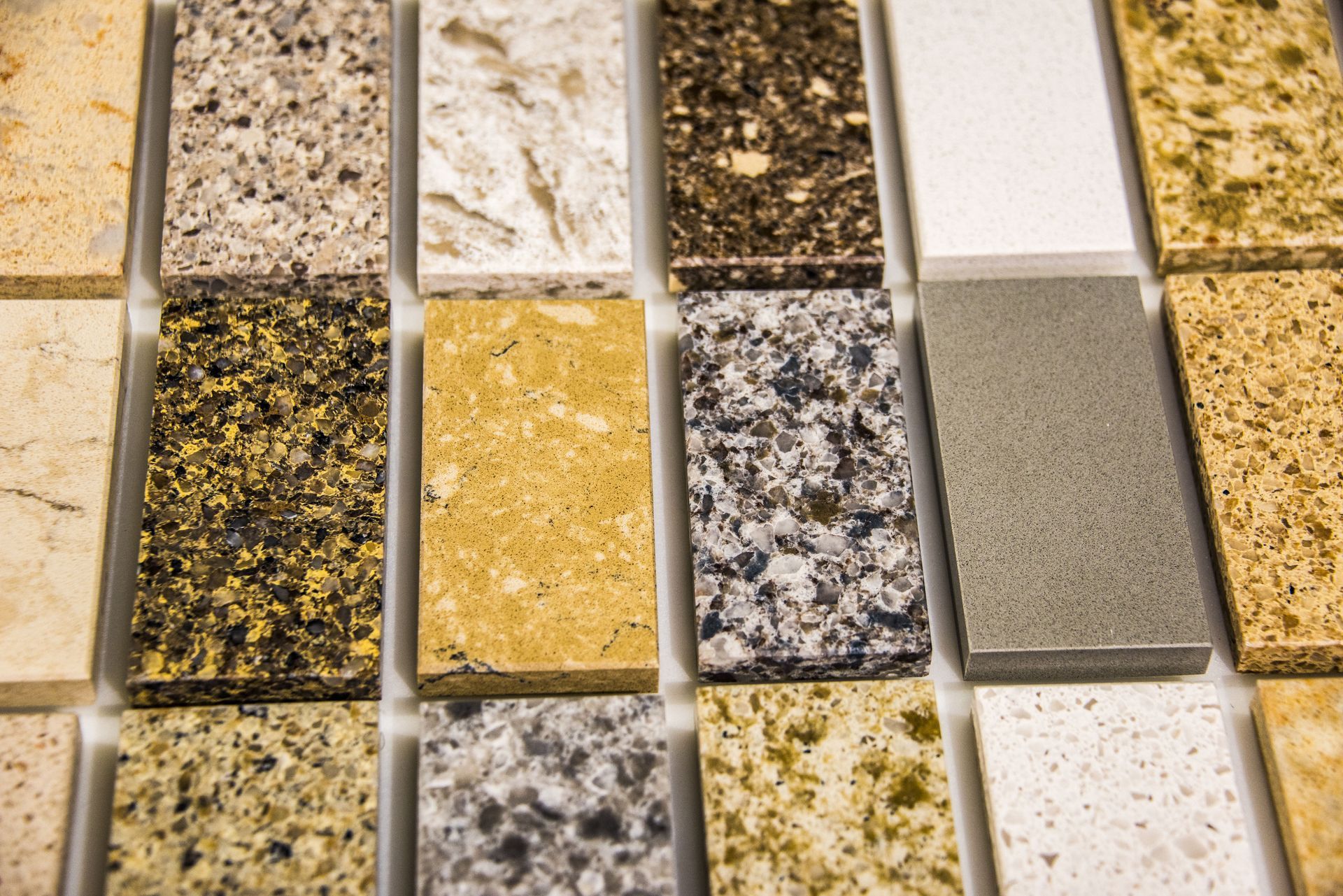
Quartz offers unparalleled aesthetic predictability and design consistency across multiple slabs. Because it is manufactured, patterns can be controlled, allowing for seamless book-matching and clean visual transitions around corners and large island wrappers. It is available in a vast array of styles, ranging from solid minimalist whites and industrial concrete looks to remarkably accurate imitations of rare Calacatta marble. This versatility allows it to integrate seamlessly into sleek contemporary spaces, ultra-modern lofts, or traditional farmhouse designs with equal success.
Measuring the Financial Investment
Budgetary considerations are crucial, as premium kitchen countertops represent a significant portion of any renovation fund. The cost of granite varies wildly based on rarity, origin, and shipping logistics, with common varieties being quite affordable while exotic colors command premium prices. Installation costs can also rise if the slab requires intricate cutting or reinforcement due to natural fissures. Over time, the cost of specialized stone cleaners and high-quality sealants adds a modest but continuous maintenance expense to the initial purchase price.
We find quartz pricing is generally more predictable and tends to align closely with mid-to-high-tier granite options. While entry-level engineered stone can be more expensive than entry-level natural stone, the absence of ongoing maintenance costs balances the financial equation over the lifespan of the installation. Furthermore, because manufactured slabs have uniform structural integrity, installers experience less material waste from cracking during fabrication, which can help stabilize labor costs. For most projects, the total installed cost reflects a comparable long-term investment in your home's resale value.
Assessing the Environmental Impact
Eco-conscious consumers frequently weigh the ecological footprint of their building materials. Granite mining requires substantial energy to extract, cut, and transport heavy stone slabs across global supply chains, but it uses no synthetic chemicals or plastics. It is an enduring, completely recyclable material. At the end of its useful life, granite can be crushed for aggregate or repurposed into paving stones, leaving a minimal toxic footprint on the planet.
Quartz production utilizes abundant natural minerals alongside recycled materials, reducing waste in the mining sector. However, the manufacturing process relies heavily on petroleum-based resins and polymers, which carry a higher chemical manufacturing footprint. Many premium brands have mitigated this by securing green certifications for low chemical emissions, ensuring they do not compromise indoor air quality. When selecting an engineered surface, checking for sustainable manufacturing practices can help align your design choices with your environmental values.
Ultimately, both premium options provide exceptional durability, striking visual beauty, and substantial long-term value to modern homes. If you desire one-of-a-kind natural artistry and do not mind occasional sealing, granite remains an unmatched organic masterpiece. However, if your lifestyle favors a completely maintenance-free lifestyle backed by contemporary design uniformity, quartz stands out as the ultimate modern solution. For more information on what materials are best for the countertops of your kitchen remodeling project, please reach out to MGL Granite Inc today.