October 23, 2026
Granite remains a popular choice for kitchens and bathrooms because of its natural strength, distinctive appearance, and long lifespan. Formed deep within the Earth's crust over millions of years, this natural stone develops a dense crystalline structure that helps it withstand everyday wear. Understanding what makes granite durable can help homeowners decide whether it is the right material for their renovation projects.
Beyond its visual appeal, granite offers resistance to scratches, heat, impacts, and many common household substances. Although proper care is still necessary, its combination of strength and longevity makes it a practical investment for busy households. Several geological characteristics and maintenance practices contribute to its lasting performance.
Understand Granite's Natural Composition
Mineral Structure and Hardness
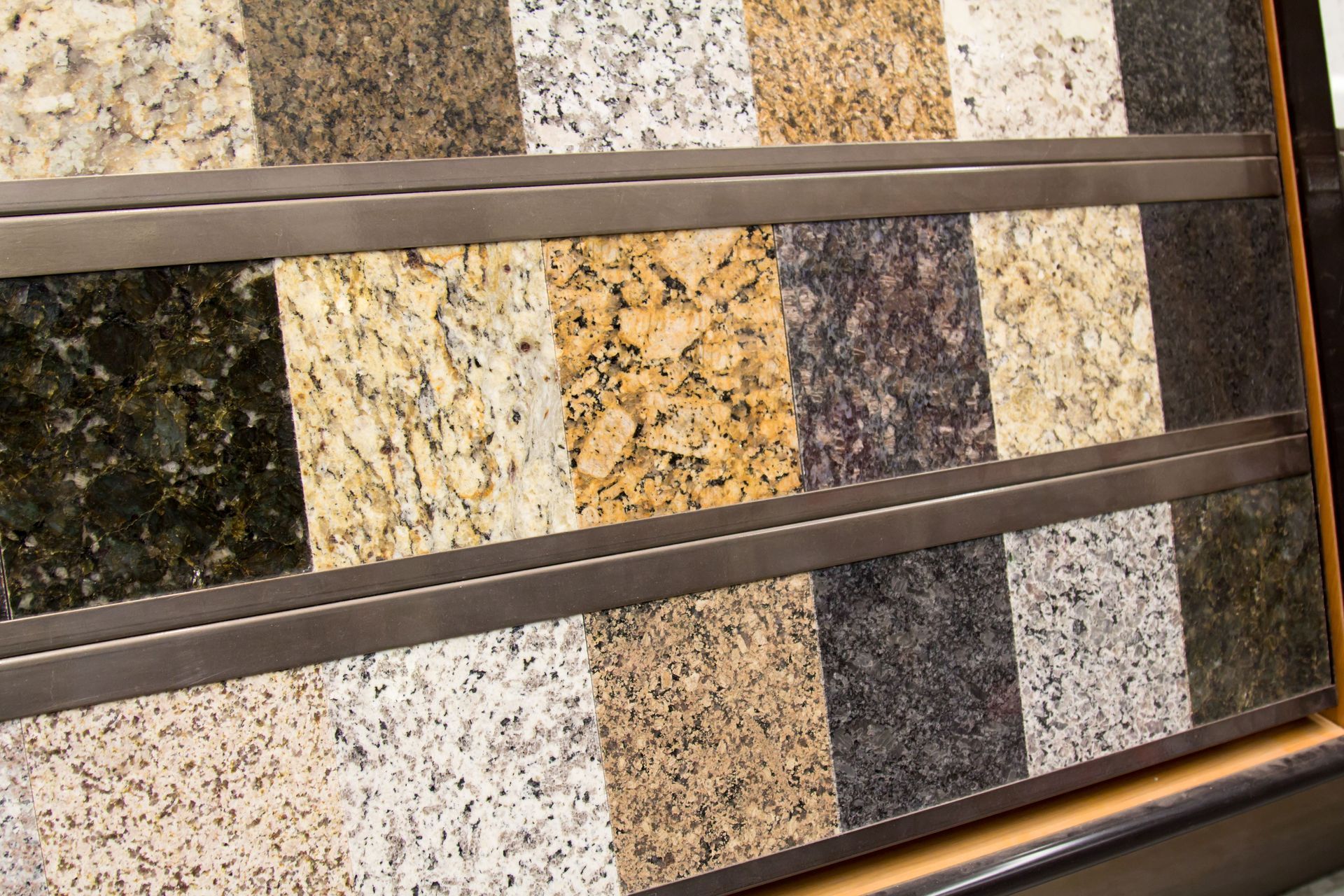
Granite primarily consists of quartz, feldspar, and mica. Quartz contributes significant hardness and scratch resistance, while feldspar helps form the stone's structure. Mica adds the subtle sparkle found in many granite varieties. Together, these minerals create an interlocking crystalline structure that provides considerable strength.
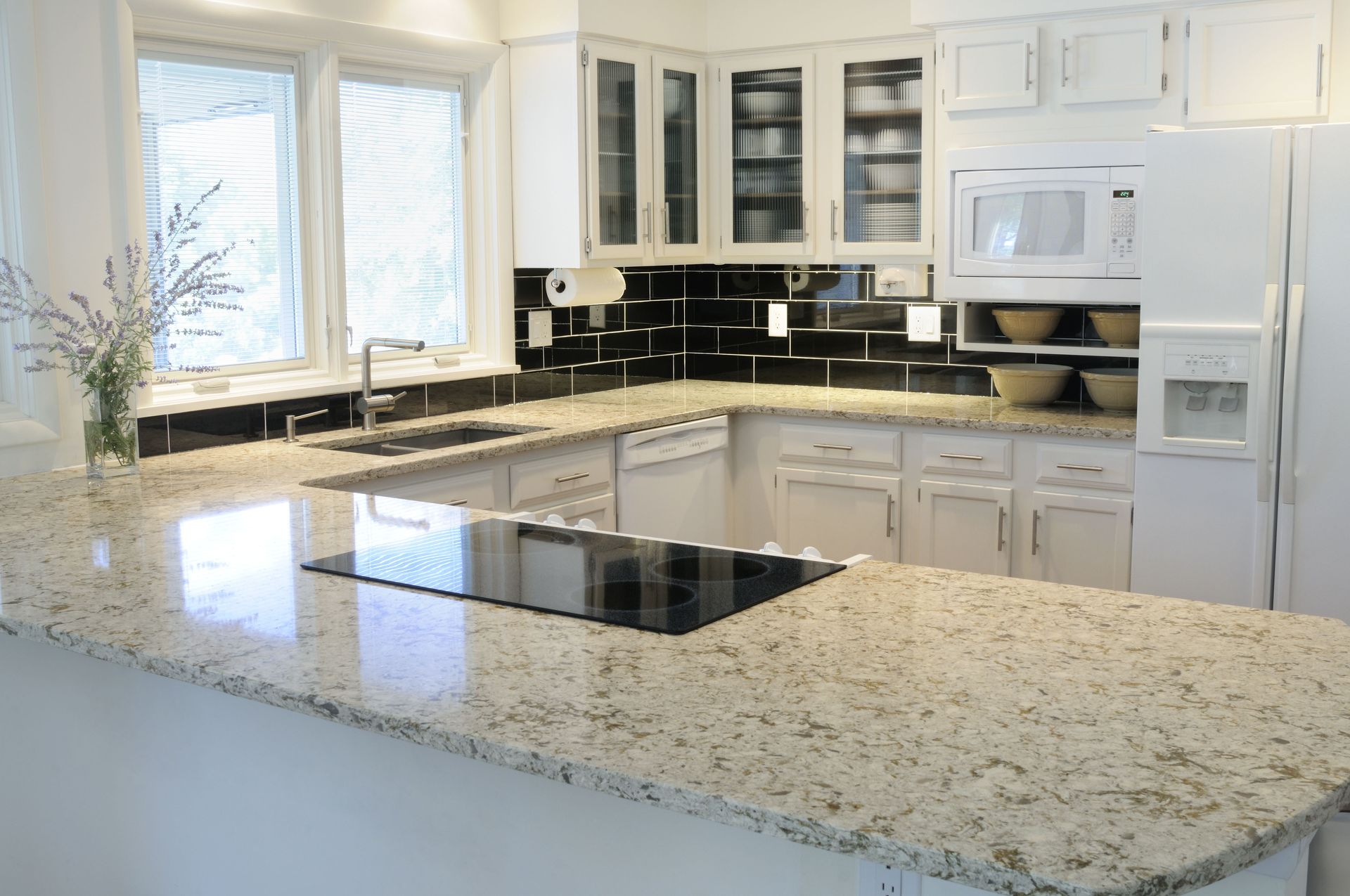
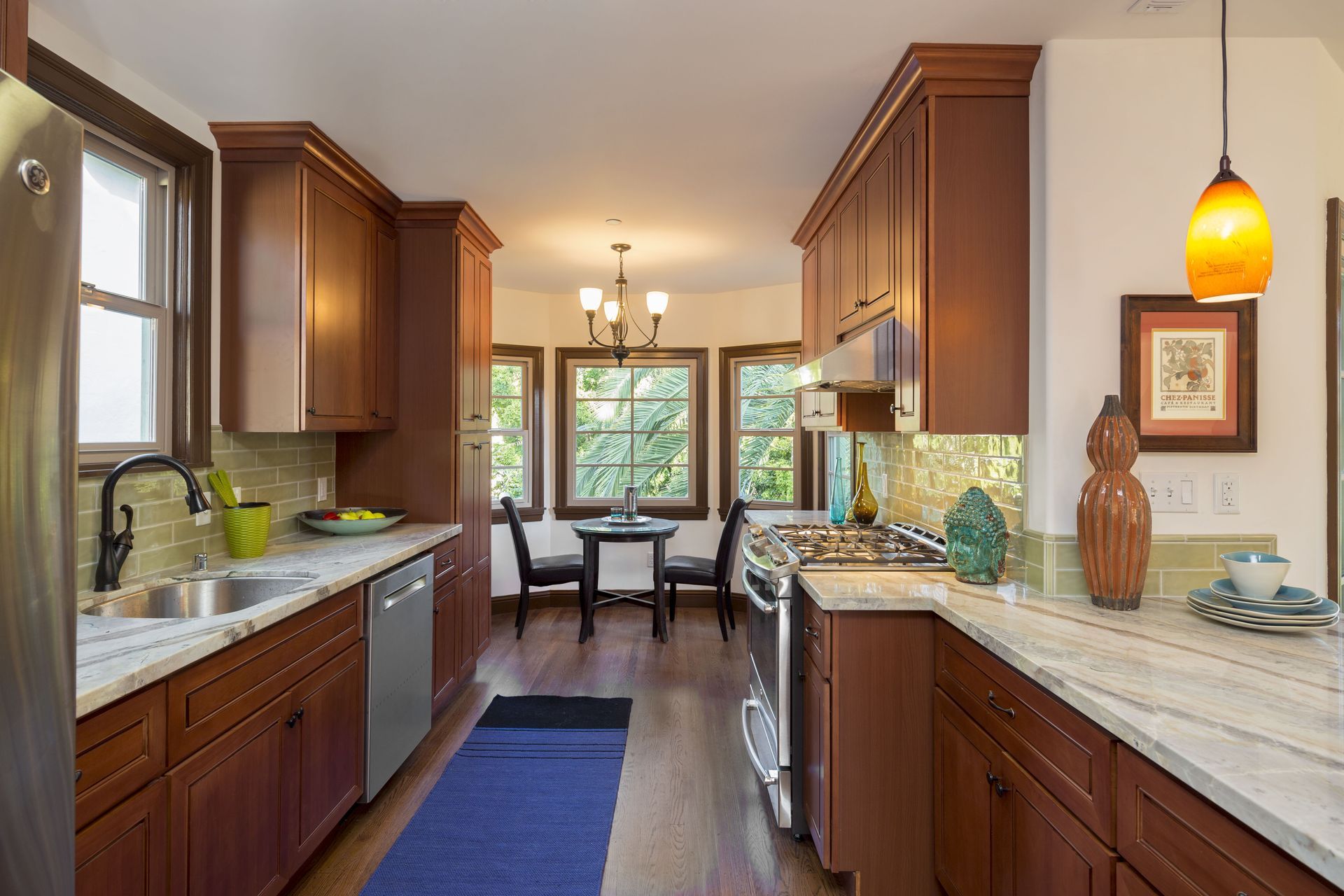
This composition makes granite suitable for frequently used surfaces, including kitchen work areas and bathroom vanities. A granite countertop can provide dependable durability alongside a wide selection of natural colors and patterns. Although individual slabs vary in mineral content, homeowners can choose a style that complements their interiors without sacrificing the practical benefits of natural stone.
Formation and Density
Granite forms when molten magma cools slowly beneath the Earth's surface. This gradual process allows mineral crystals to develop and interlock, producing the dense structure associated with the stone's strength. Its geological formation also creates the distinctive patterns that make each slab unique.
Density is another important factor in granite's performance. Its relatively low porosity limits moisture absorption, especially when the surface is properly sealed. This helps reduce the likelihood of staining and moisture-related problems in kitchens and bathrooms. According to Bob Vila, the longevity of granite countertops is 30 to 100 years. This impressive range highlights the material's potential to provide decades of dependable use when installation and maintenance are handled properly.
Evaluate Granite's Resistance to Physical Damage
Scratch and Impact Resistance
Granite's hardness helps protect it from the scratches and abrasions associated with everyday activities. Pots, pans, utensils, and other kitchen items are unlikely to damage a well-maintained surface through ordinary contact. However, using cutting boards remains important because granite can dull knives, and cutting directly on the stone is not a substitute for proper food preparation practices.
Granite also offers substantial resistance to impacts. Its dense mineral structure helps distribute force, allowing the stone to withstand routine kitchen activity without easily showing signs of wear. Nevertheless, it is not indestructible. Heavy objects dropped from a significant height can cause chips or cracks, particularly around edges and corners, where the material may be more vulnerable.
Professional fabrication and installation are essential for maximizing these benefits. Accurate measurements, suitable support, and carefully finished edges help reduce stress on the slab. These details are particularly important around sinks, cooktops, and other openings that interrupt the stone's structure.
Heat and Temperature Resistance
Granite naturally tolerates high temperatures, making it useful in kitchens where hot cookware is common. Unlike some synthetic materials, it is unlikely to warp under ordinary exposure to heat. This characteristic provides an advantage for homeowners who regularly cook and need a durable work surface.
However, heat resistance does not eliminate every risk. Sudden temperature changes can create thermal stress, potentially damaging the stone or affecting its sealant. Using trivets or heat-resistant pads for hot cookware is a sensible precaution. These simple habits help protect the finish and reduce the likelihood of preventable damage over time.
Protect Granite From Chemical and Stain Damage
Resistance to Household Acids
Compared with softer natural stones such as marble and limestone, granite generally offers better resistance to many common household substances. Its mineral composition makes it less susceptible to the etching associated with acidic ingredients. This is useful in kitchens where lemon juice, vinegar, wine, and tomato-based foods are frequently handled.
Even so, granite should not be treated as completely impervious to chemical damage. Certain minerals within a slab may react differently to acidic products, and harsh cleaners can affect sealants or finishes. Wiping up spills promptly and choosing cleaning products designed for natural stone helps preserve the surface and keep a granite countertop looking its best.
Stain Prevention and Cleaning
Granite's relatively low porosity helps limit the penetration of oils, beverages, and other staining substances. Sealing provides an additional layer of protection by reducing the rate at which liquids enter the stone. The appropriate sealing schedule depends on the granite variety, the product used, and the amount of daily use the surface receives.
Routine cleaning is straightforward. Warm water, mild dish soap, and a soft cloth are generally sufficient for everyday messes. Abrasive pads, highly acidic solutions, and harsh chemicals should be avoided unless a product is specifically approved for the surface. Promptly cleaning spills also helps prevent residue from accumulating or becoming difficult to remove.
These habits are especially valuable in busy kitchens, where spills and food preparation occur throughout the day. Consistent care helps maintain the stone's natural appearance while protecting the investment homeowners make in their surfaces.
Compare Granite With Other Countertop Materials
Natural Stone Alternatives
Granite is often compared with marble, limestone, and travertine. While these materials offer distinctive visual qualities, they are generally softer or more vulnerable to etching. Granite is often a better fit for households that prioritize resistance to everyday wear over the specialized appearance of softer stones.
Engineered quartz is another common alternative. It provides a broad range of consistent colors and patterns, while granite offers naturally occurring variations that make each slab distinctive. Both materials have advantages, and the right selection depends on the intended application, design preferences, maintenance expectations, and budget.
Long-Term Value and Lifespan
The initial cost of granite can be higher than that of some other surface materials, but its longevity may help offset the upfront expense. A durable countertop can reduce the need for frequent repairs or replacement, particularly when homeowners follow appropriate care recommendations.
The actual lifespan depends on several factors, including stone quality, fabrication, installation, exposure to damage, and ongoing maintenance. Although granite can last for generations, neglect or improper installation may shorten its useful life. Comparing materials should therefore involve more than the purchase price alone. Expected durability, appearance, maintenance needs, and installation quality all contribute to long-term value.
Maintain Granite for Lasting Performance
Follow Routine Care Practices
Regular maintenance helps granite retain its appearance and protective qualities. Homeowners should clean spills promptly, avoid placing excessive weight on unsupported sections, and use appropriate cleaning products. Periodically checking the surface for chips, cracks, or signs of sealant wear can also help identify concerns before they become more serious.
Sealing requirements vary, so homeowners should follow the recommendations provided by the stone supplier or sealant manufacturer. Some granite varieties need more frequent sealing than others. A simple water-absorption test may help indicate whether additional protection is needed, although professional guidance is useful when the results are unclear.
Prioritize Professional Installation
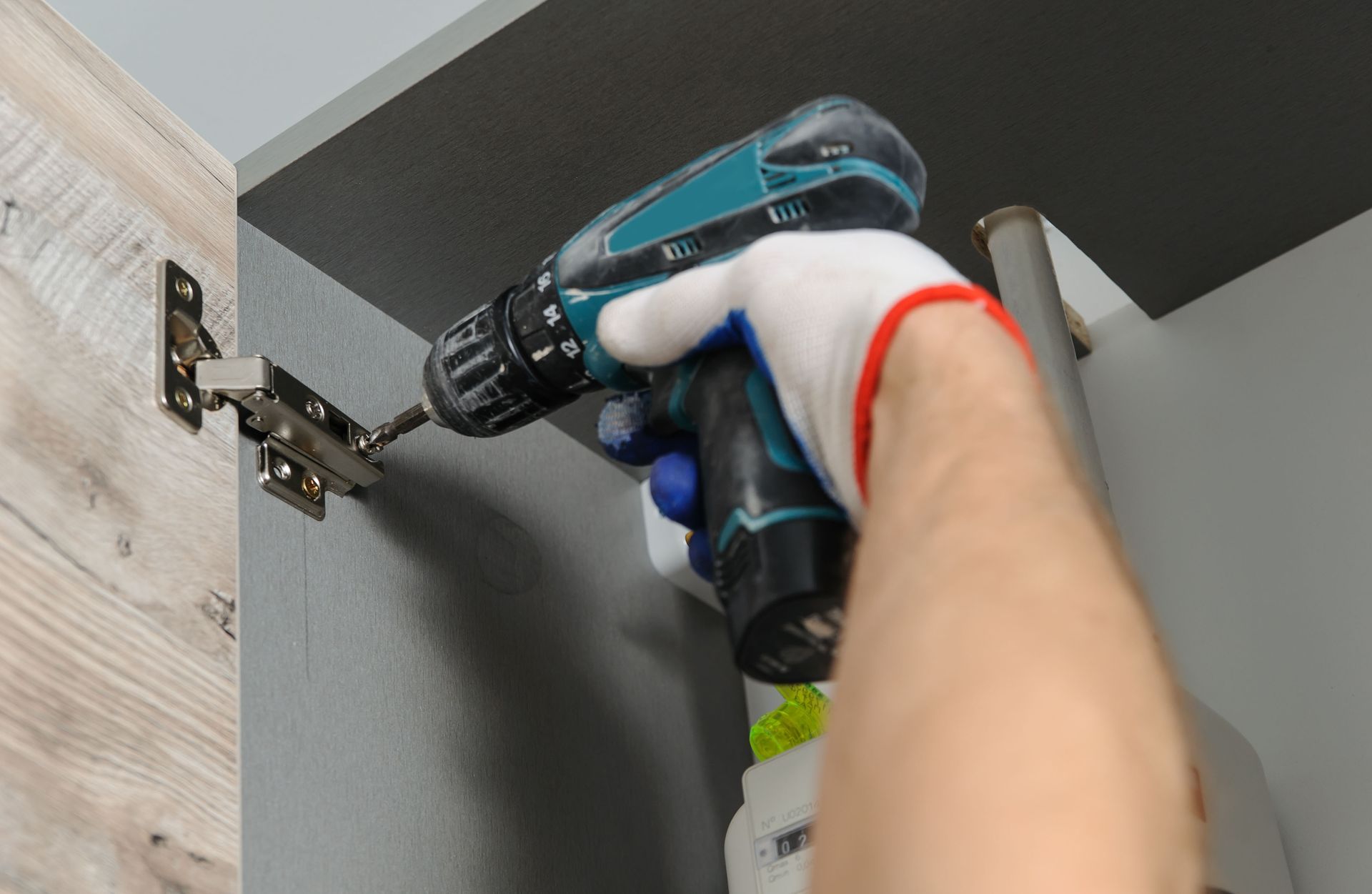
Even highly durable stone can develop problems if it is fabricated or installed incorrectly. Uneven support, poorly finished edges, and inaccurate cutouts can create weak points that increase the risk of cracking. Experienced fabricators account for the slab's dimensions, weight, and layout to help ensure a stable installation.
Professional guidance also helps homeowners select a suitable slab for their intended space. Differences in color, veining, and mineral composition can influence the final appearance, while careful planning ensures that seams, edges, and openings fit the overall design. Taking these steps supports both the functionality and visual appeal of the finished surface.
For homeowners planning a renovation, choosing the right stone and ensuring precise fabrication are important steps toward a successful result. MGL Granite Inc can help homeowners explore granite options and find a countertop that suits their design preferences and practical needs. Contact MGL Granite Inc to discuss your project and take the next step toward a durable, attractive space.