October 23, 2026
Choosing the right cabinet color is an important decision when designing or renovating a kitchen. Cabinets occupy a significant amount of visual space, making their color essential to the room’s overall appearance. While certain shades become popular through changing design trends, others maintain their appeal for years. Finding the right balance between contemporary style and timeless elegance can help homeowners create kitchens that remain attractive long after their initial renovation.
Working with an experienced cabinet company can help homeowners explore colors that complement their countertops, flooring, lighting, and architectural features. Rather than selecting a finish based entirely on current popularity, it is helpful to consider how a color will interact with the home’s existing design. From warm neutrals to sophisticated greens, several cabinet colors offer lasting visual appeal without sacrificing personality.
Choosing Warm White Cabinets for Lasting Elegance
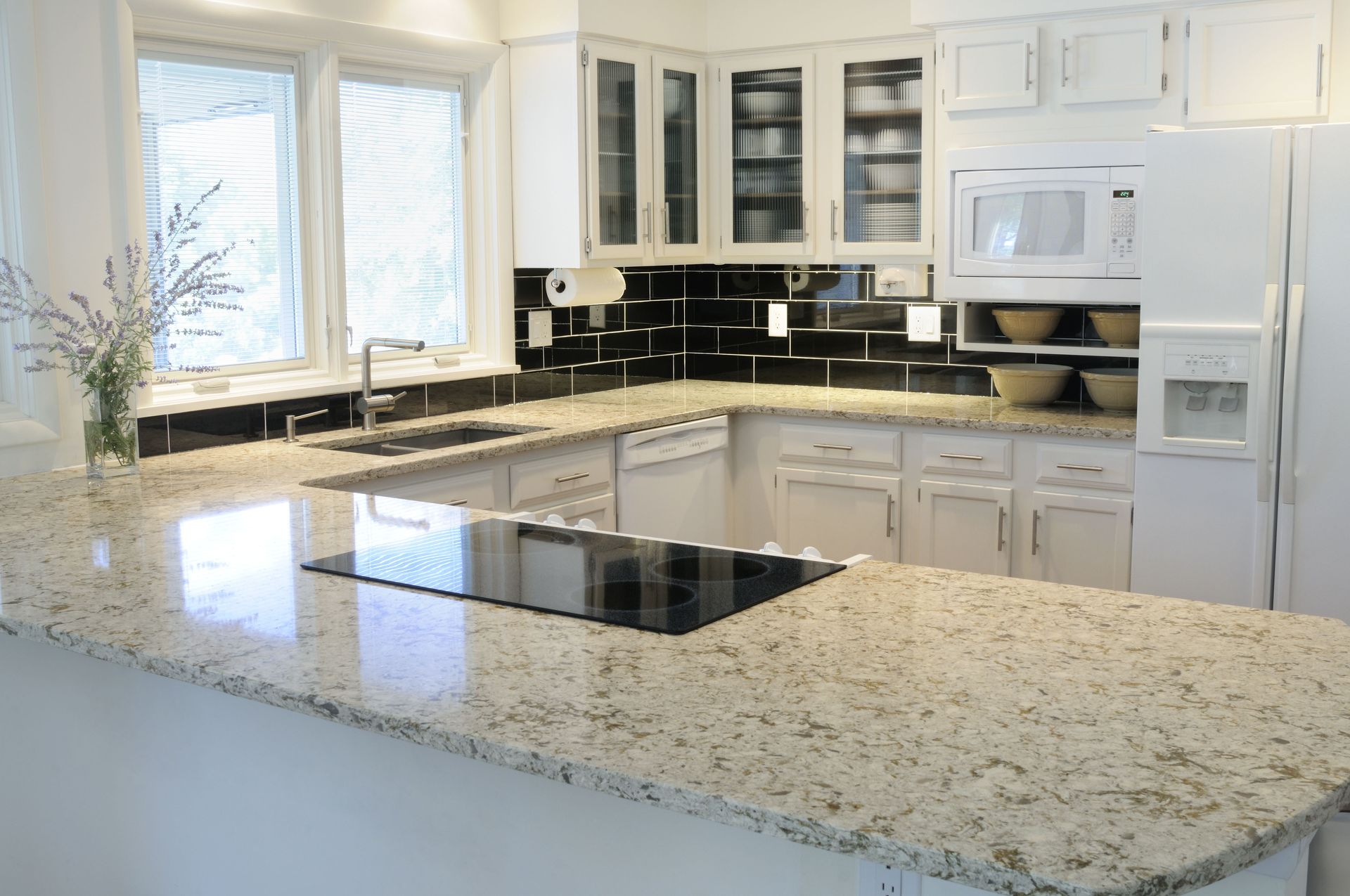
White cabinets have remained popular because they provide a clean, versatile foundation for numerous kitchen styles. However, warmer variations of white are becoming particularly appealing for homeowners seeking a welcoming atmosphere. Shades such as ivory, cream, and soft off-white introduce subtle warmth without overwhelming the room.
Unlike stark white finishes, warmer tones create a softer appearance that complements natural materials. They pair beautifully with wood flooring, stone countertops, brass hardware, and textured backsplashes. Their flexibility also allows homeowners to update surrounding decorative elements without requiring an entirely new cabinet finish.
A reputable cabinet company can help determine which white undertones work best with the kitchen’s lighting conditions. Some warm whites contain yellow undertones, while others lean toward beige or subtle gray. Selecting a shade that harmonizes with nearby surfaces prevents unwanted color contrasts.
Choosing Natural Wood Tones for Organic Warmth
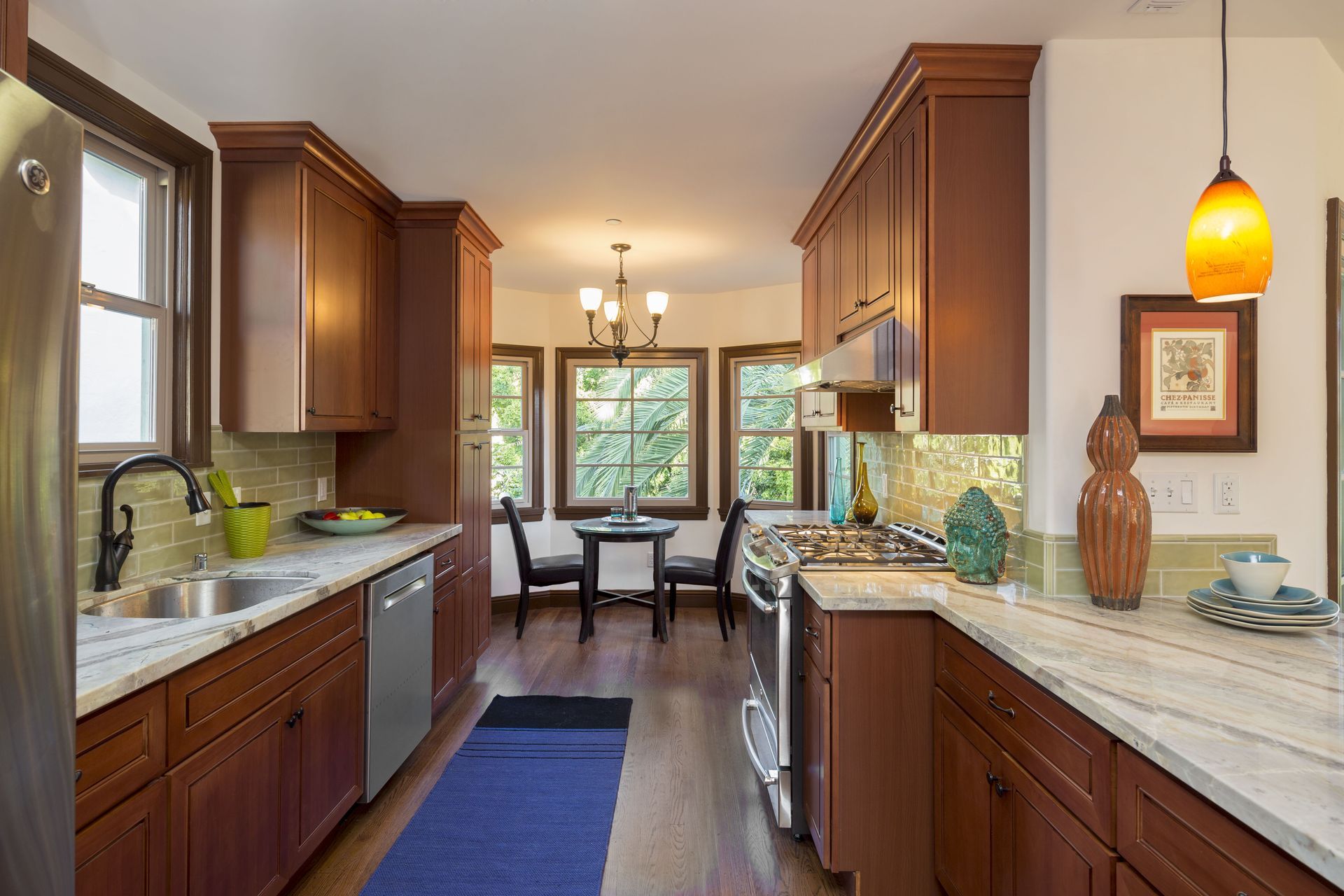
Natural wood finishes have become increasingly desirable as homeowners embrace organic textures and materials. Rather than concealing wood grain beneath opaque paint, these finishes celebrate the natural variations that make cabinetry visually distinctive.
According to IST Cabinets, natural wood tones have surpassed white finishes in custom cabinet installations for the first time in nearly a decade, accounting for 29% of total installation volume. This shift reflects growing interest in cabinetry that emphasizes natural materials and authentic textures.
Light oak, walnut, maple, and other wood finishes offer different aesthetic possibilities. Lighter woods create an airy atmosphere, while deeper finishes introduce warmth and sophistication. Their natural grain patterns add visual interest without requiring elaborate decorative details.
When consulting a cabinet company, homeowners should consider how wood species, staining techniques, and protective finishes influence the final appearance. Wood tones may also change subtly with age and exposure to sunlight, making thoughtful material selection especially important.
Natural wood cabinetry works particularly well with stone countertops and understated hardware. These combinations create a balanced environment that feels grounded, comfortable, and adaptable to evolving design preferences.
Choosing Soft Greige Cabinets for Versatile Sophistication
Greige combines elements of gray and beige, creating a versatile neutral that works with many kitchen design styles. Its balanced undertones make it an appealing alternative to traditional gray cabinetry, which can sometimes appear cool or overly industrial.
Soft greige cabinets create visual depth while maintaining the understated appearance associated with neutral colors. They complement warm wood flooring, white countertops, natural stone, and metallic hardware without competing for attention.
An experienced cabinet company can recommend greige shades that respond well to the kitchen’s natural and artificial lighting. Certain variations appear warmer during daylight, while others reveal cooler undertones under different lighting conditions. Understanding these subtle changes helps homeowners select a finish that remains visually consistent with their desired aesthetic.
Greige is also effective in kitchens that combine traditional and modern elements. Shaker-style cabinets finished in this color provide a familiar appearance, while flat-panel designs introduce a contemporary feel.
Because greige coordinates with numerous materials, homeowners can refresh their kitchen accessories, lighting, or backsplash over time while preserving the cabinetry’s overall appeal.
Choosing Muted Green Cabinets for Natural Character
Green cabinetry offers an opportunity to introduce color while maintaining a sophisticated appearance. Muted shades such as sage, olive, and eucalyptus green provide a connection to nature without creating the intensity associated with brighter colors.
These softer greens work especially well in kitchens featuring natural wood accents, cream-colored countertops, and warm metallic hardware. Their subdued appearance allows them to function almost like neutrals, offering versatility across several design styles.
Homeowners interested in green cabinets should consider the color’s saturation and undertones. Yellow-based greens often create a warmer atmosphere, while gray-based variations produce a quieter, more contemporary effect.
A professional cabinet company can help coordinate green cabinetry with surrounding surfaces to achieve a cohesive result. This consideration becomes particularly important when the kitchen includes prominent stone veining or patterned backsplashes.
Choosing Deep Navy Cabinets for Refined Contrast
Navy blue offers a sophisticated alternative to conventional neutral cabinetry. Its deep color creates a sense of richness while maintaining the familiarity and versatility associated with classic blue tones.
Unlike brighter blues that may reflect short-lived trends, navy has a longstanding presence in traditional interiors. This established design history makes it an attractive option for homeowners seeking cabinetry with personality and enduring appeal.
Deep navy cabinets work particularly well with white or lightly veined stone countertops. The contrast helps define the cabinetry while preventing the kitchen from appearing excessively dark. Brass, brushed nickel, and polished chrome hardware can further influence the room’s character.
Lighting deserves careful consideration when introducing darker cabinet colors. Kitchens with abundant natural light can accommodate extensive navy cabinetry, while smaller spaces may benefit from incorporating lighter surrounding surfaces.
Choosing Charcoal Cabinets for Modern Depth
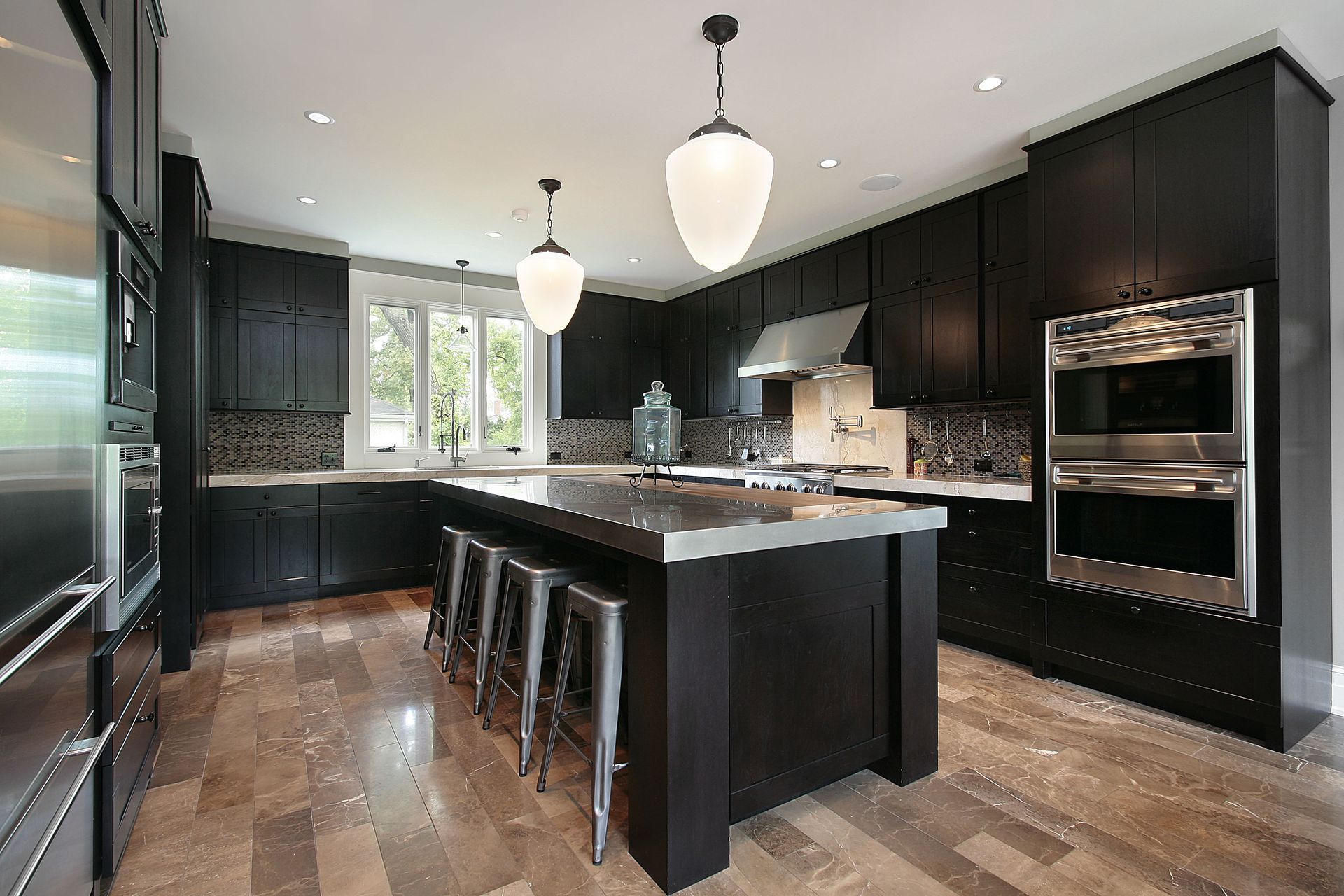
Charcoal gray provides a dramatic yet adaptable cabinetry option. Its darker appearance introduces visual weight without the stark contrast sometimes associated with pure black finishes.
This color works particularly well in contemporary kitchens featuring simple cabinet profiles, streamlined hardware, and natural stone countertops. It can also complement traditional spaces when paired with decorative molding and warmer materials.
The undertones of charcoal deserve attention because certain shades lean toward blue, brown, or green. These subtle differences affect how the cabinetry coordinates with surrounding finishes.
Homeowners should also consider the relationship between charcoal cabinets and the kitchen’s lighting. Adequate illumination and lighter countertops can help maintain an open, balanced atmosphere.
When paired with natural wood accents, charcoal creates an appealing contrast between modern sophistication and organic warmth. This combination allows the kitchen to feel contemporary without appearing overly minimalist.
Choosing a soft charcoal rather than an extremely dark finish can also provide greater flexibility for future updates. Its understated character allows surrounding materials and decorative elements to evolve while maintaining a cohesive overall design.
Choosing Mushroom Beige Cabinets for Subtle Warmth
Mushroom beige has emerged as an appealing cabinet color for homeowners who prefer warmth without the yellow undertones associated with some traditional beige finishes. Its combination of taupe, gray, and soft brown creates an understated appearance that feels contemporary yet familiar.
This versatile shade complements marble, quartz, natural wood, and textured tile. It is especially effective in kitchens designed around layered neutral tones, where subtle variations create depth without introducing dramatic contrasts.
A cabinet company can help homeowners evaluate mushroom beige alongside flooring samples and countertop materials. Because this color often contains several undertones, comparing finishes in the kitchen’s actual lighting environment can prevent unwanted visual differences.
Its ability to coordinate with both warm and cool materials makes mushroom beige a practical choice for kitchens expected to accommodate changing design preferences.
Choosing Timeless Cabinet Colors With Confidence
Selecting a cabinet color involves more than identifying an attractive shade. The most enduring kitchen designs consider how cabinetry interacts with lighting, countertops, flooring, hardware, and architectural details.
Warm whites, natural woods, sophisticated neutrals, and muted colors offer different ways to create lasting visual appeal. Rather than following every emerging trend, homeowners benefit from selecting finishes that complement their personal preferences and the overall character of their homes.
At MGL Granite Inc, we help homeowners explore cabinetry options that complement their kitchens and personal design preferences. Our team understands the importance of coordinating colors, materials, and finishes to create a cohesive space. We invite you to contact us to discuss your project and discover how our services can help bring your kitchen design ideas to life.