October 13, 2025
Choosing the perfect countertop for your kitchen or bathroom is one of the most impactful decisions you can make when renovating or designing a home. Not only does the countertop serve a practical purpose, but it also contributes significantly to the overall aesthetic and feel of your space. With so many materials available, from granite and marble to laminate and concrete, it can be overwhelming to decide which option offers the best combination of durability, beauty, and value.
Quartz has grown increasingly popular among homeowners because it combines elegance with low-maintenance practicality. This blog will explore whether quartz countertops are the right choice for your home, covering everything from durability and appearance to cost and resale value. Whether you’re a first-time homeowner or looking to upgrade your current kitchen, understanding the benefits and considerations of quartz will help you make an informed decision.
Durability
Quartz countertops are renowned for their exceptional durability, making them an ideal choice for high-traffic areas in the home. Unlike natural stone, which can be porous and prone to cracking, quartz is engineered to be resilient against scratches, stains, and impacts. Its non-porous surface prevents liquids from seeping in, reducing the risk of discoloration and bacterial growth. For families with children or busy kitchens, this durability can save both time and money over the long term.
In addition to resisting everyday wear and tear, quartz can also withstand moderate heat without damage. While it’s not completely heatproof, placing hot pans directly on the surface is less likely to cause permanent marks compared to other materials like laminate. With proper care and minimal precaution, a quartz countertop can maintain its appearance and functionality for decades, making it a smart investment for any homeowner.
Appearance
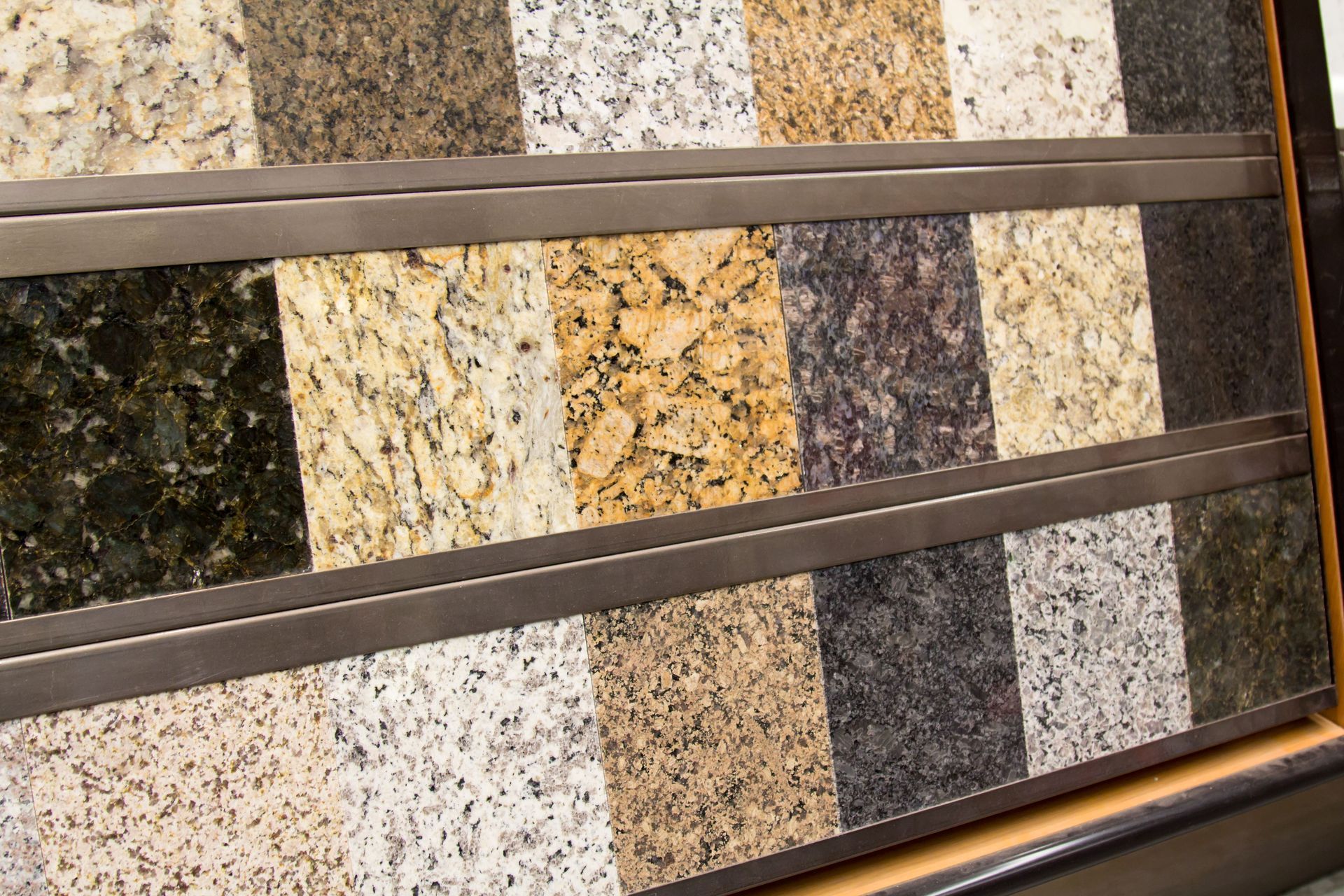
Quartz countertops offer a wide range of colors, patterns, and finishes that can complement nearly any design style. From sleek, modern kitchens to classic, traditional bathrooms, quartz can mimic the look of natural stone while providing a more consistent and uniform appearance. This versatility allows homeowners to achieve the aesthetic they desire without compromising on functionality.
The engineered nature of quartz also means that homeowners can enjoy bold and unique designs that may not be possible with natural stone. Whether you prefer subtle veining, dramatic marbling, or a minimalist solid color, quartz provides a level of design flexibility that makes it easy to match your countertop to your cabinets, backsplash, and flooring. This adaptability makes quartz a favorite among designers and homeowners alike.
Maintenance
One of the standout advantages of quartz countertops is their low-maintenance nature. Unlike granite or marble, which often require periodic sealing, quartz does not absorb liquids due to its non-porous surface. This makes cleaning spills simple, usually requiring just soap and water or a mild household cleaner to keep the countertop looking like new.
Beyond basic cleaning, quartz is resistant to most household chemicals and does not require specialized products to maintain its beauty. It also does not harbor bacteria or viruses as easily as other porous surfaces, making it a hygienic choice for kitchens and bathrooms. Homeowners can enjoy a countertop that remains attractive and functional without the hassle of constant upkeep.
Price
Quartz countertops are generally positioned in the mid- to high-end price range, reflecting their durability, design options, and long-term value. While initial costs may be higher than laminate or tile, they are typically comparable to or slightly less than premium natural stones like marble or granite. Installation costs can vary depending on the complexity of the project, but many homeowners find the investment worthwhile for a surface that lasts for decades.
When considering cost, it’s also important to factor in long-term savings. Because quartz is highly durable and low-maintenance, it avoids the frequent repairs, sealing, and refinishing that natural stone may require. Over time, the value of a quartz countertop can outweigh the initial expense, making it a smart choice for homeowners who want a balance of style and practicality without ongoing costs.
Composition
Quartz countertops are not simply slabs of natural stone; they're engineered materials designed for performance and consistency. According to OnePointTech, quartz countertops are composed of roughly 93% quartz crystals combined with 7% polyester resins and pigments, providing a blend that is both durable and aesthetically versatile. This engineered structure ensures a uniform appearance and reduces the likelihood of imperfections found in natural stone.
The addition of resins and pigments not only enhances durability but also allows for an array of colors and patterns that natural quartz alone could not achieve. This composition makes quartz countertops resistant to cracking, chipping, and staining while still offering the visual appeal of natural stone. For homeowners, this means a reliable countertop that balances beauty and functionality in a way that natural materials sometimes cannot.
Sustainability
Sustainability is an increasingly important consideration when selecting home materials, and quartz countertops can be a responsible choice. Because they are engineered from abundant natural quartz and manufactured with controlled processes, quartz surfaces tend to produce less waste compared to quarried natural stone. Additionally, their long lifespan reduces the need for replacement, contributing to less environmental impact over time.
Quartz countertops are a long-lasting choice that naturally contributes to sustainability due to their durability and minimal maintenance requirements. Because they rarely need replacement or extensive upkeep, choosing quartz helps reduce waste over time compared to surfaces that wear out more quickly. For homeowners who want a practical, low-maintenance countertop that stands the test of time, quartz offers both efficiency and lasting value.
Versatility
Quartz countertops are incredibly versatile in both function and design. They can be installed in kitchens, bathrooms, laundry rooms, and even commercial spaces, providing a durable and stylish surface wherever needed. The material can be cut and shaped to fit islands, waterfall edges, and custom cabinetry, allowing homeowners to create a tailored look for any project.
Beyond physical versatility, quartz works well with a variety of design styles. Whether paired with modern minimalism, rustic charm, or traditional elegance, quartz complements cabinets, backsplashes, and flooring seamlessly. This design flexibility makes it an ideal choice for homeowners who want a cohesive look throughout their home while maintaining a high-performance surface.
Value
Investing in a quartz countertop can enhance the overall resale value of a home. Many prospective buyers view quartz as a premium feature due to its durability, low maintenance, and modern aesthetic. Homes with updated kitchens and bathrooms featuring quartz countertops are often more appealing and can command higher offers.
In addition to attracting buyers, quartz countertops provide long-term satisfaction for homeowners. The combination of beauty, resilience, and low upkeep means the countertop will continue to perform and look attractive for years, reinforcing the perception of quality in the home. For sellers, this translates into a tangible return on investment and a strong selling point in competitive real estate markets.
Quartz countertops offer a compelling combination of durability, beauty, and versatility, making them an excellent choice for a wide range of homes. From high-traffic kitchens to luxurious bathrooms, quartz provides a low-maintenance, long-lasting surface that can elevate any space. Considering its engineered composition, cost-effectiveness, and design flexibility, quartz stands out as a practical yet stylish option for modern homeowners.
Ready to upgrade your kitchen or bathroom with a beautiful quartz countertop ? MGL Granite Inc offers expert guidance, quality materials, and professional installation to bring your vision to life. Contact us today to schedule a consultation and discover the perfect quartz solution for your home.