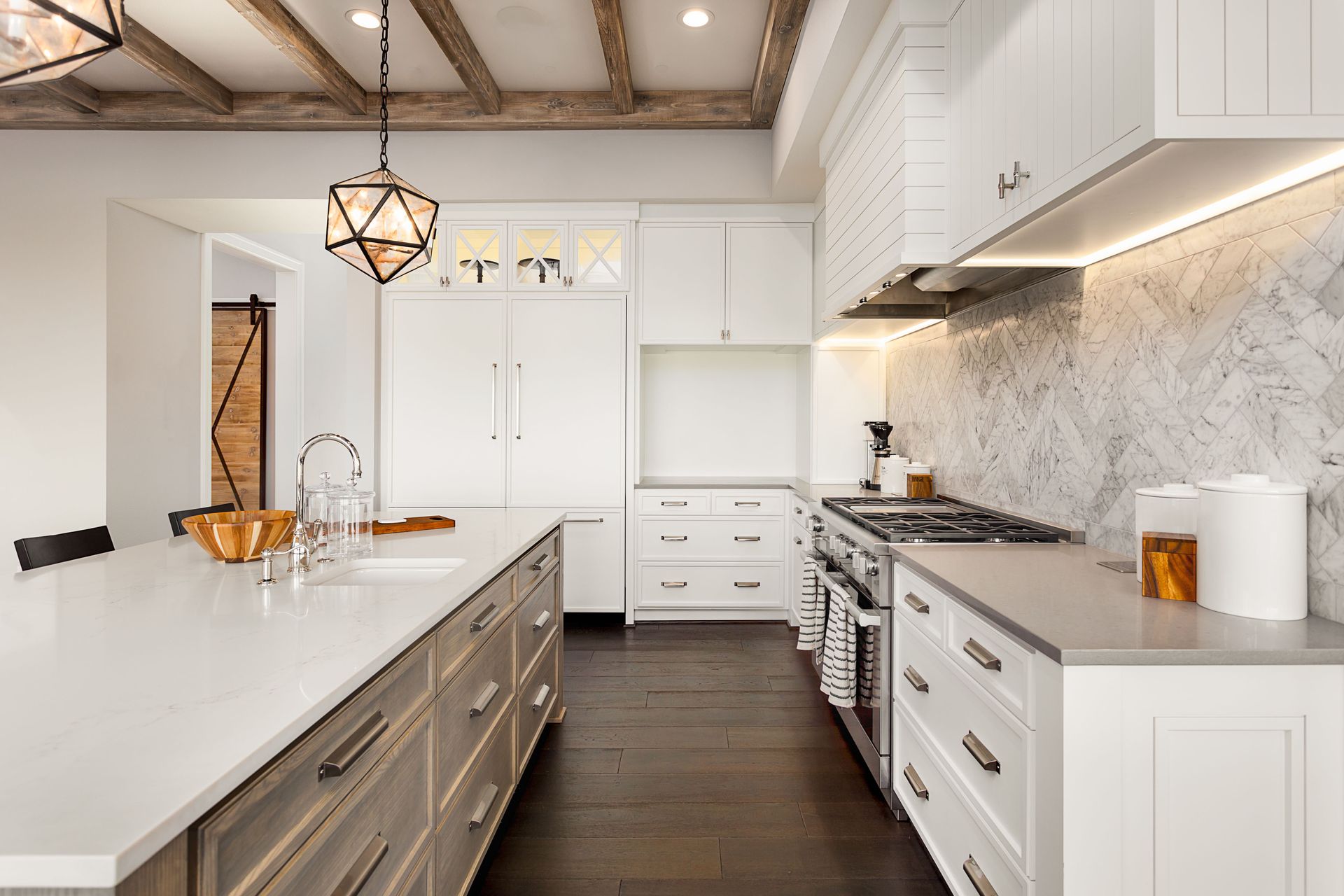
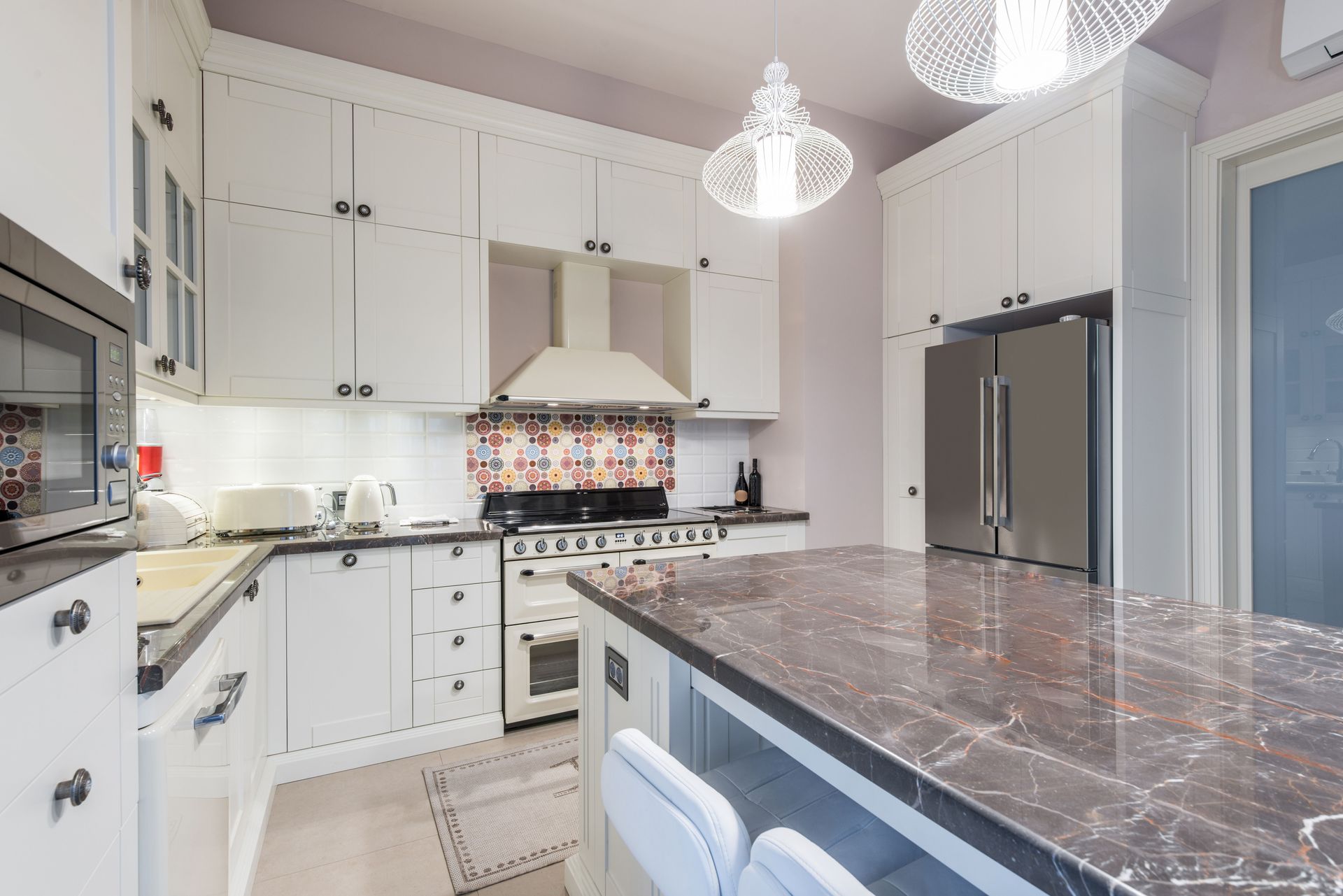
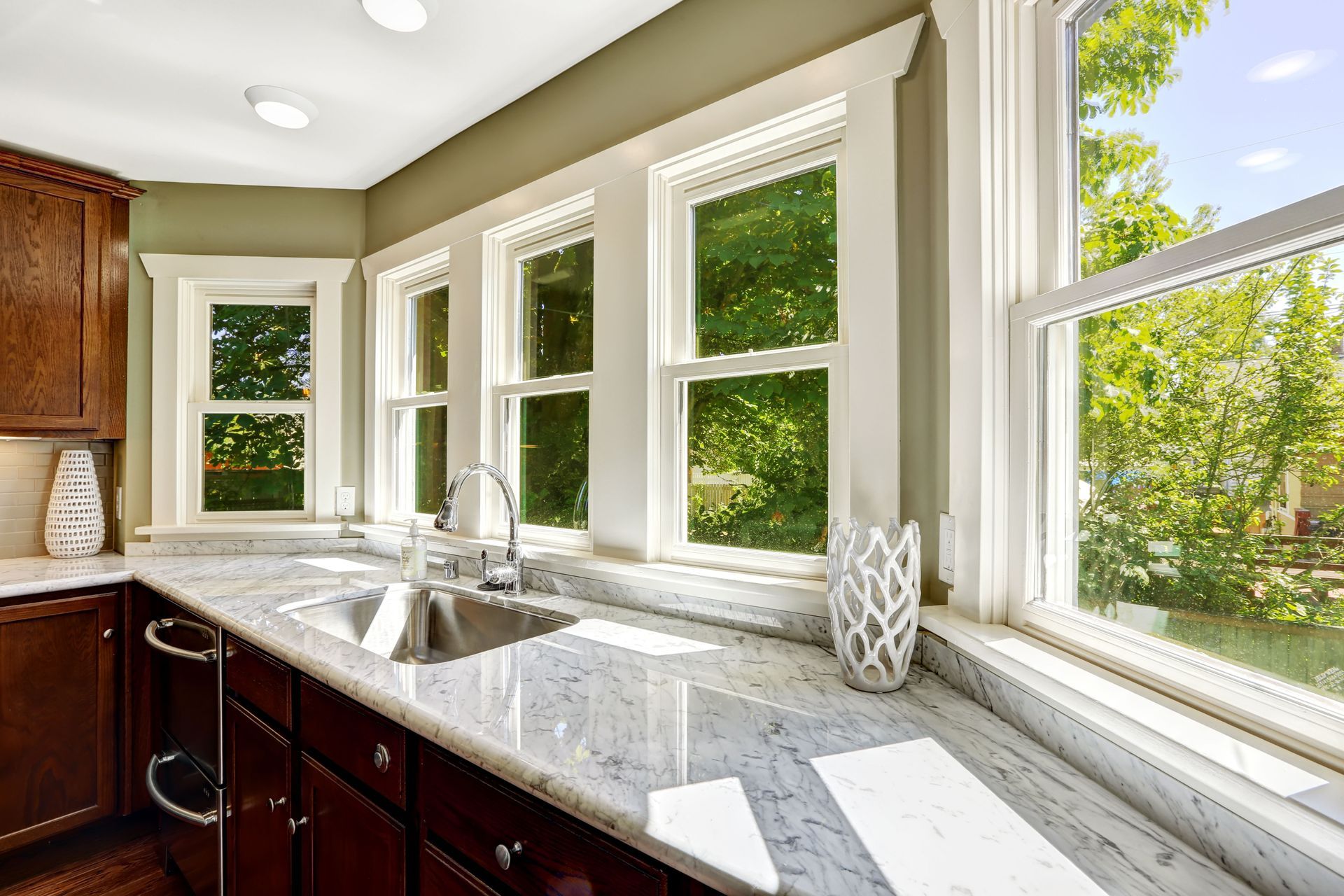
Marble has long been admired for its beauty, making it a popular choice for countertops and vanities in both kitchens and bathrooms. From its timeless appeal to its unique patterns, marble adds an elegant touch to any space. But have you ever wondered how this stunning stone forms? Let’s explore the geological journey of marble and its role in creating beautiful surfaces.
What is Marble?
Marble is a metamorphic rock that forms when limestone undergoes a transformation process under heat and pressure deep within the Earth’s crust. Over millions of years, this change alters the composition of limestone, resulting in a denser, crystalline stone with unique patterns and colors. The final product, marble, is often celebrated for its aesthetic qualities, making it a preferred material for interior design, especially in kitchens and bathrooms.
The Journey from Limestone to Marble
The Precursor: Limestone
Marble begins as limestone, a sedimentary rock primarily composed of calcium carbonate (CaCO₃). Over millions of years, limestone forms from the accumulation of marine organisms, like shells and corals, as well as from the precipitation of minerals from water. While limestone itself is beautiful, it is softer and more porous compared to marble.
Heat and Pressure: The Metamorphic Transformation
As limestone is buried deep within the Earth due to tectonic plate movements, it is subjected to high pressure and temperature. These conditions cause the calcium carbonate crystals in the limestone to recrystallize. The result is marble—denser and more compact than its limestone predecessor. The stone’s texture and structure are transformed, creating the unique crystalline appearance that marble is known for.
The Role of Impurities
One of the defining features of marble is its distinctive veining and color variations. These patterns are a result of impurities in the original limestone. As the limestone undergoes metamorphism, minerals such as iron, clay, and sand mix with the calcium carbonate, creating different colors and patterns. For example, the presence of iron may give the marble a reddish or brownish hue, while other minerals can contribute shades of gray, green, or black veining throughout the stone.
Time and Earth's Forces
Over millions of years, geological processes like tectonic shifts and erosion can bring marble closer to the Earth’s surface. Once exposed, it can be mined and processed into slabs, tiles, and other shapes to be used in various applications, including countertops and vanities. The marble’s natural beauty, shaped by its long journey, becomes a defining feature of any space.
Why Marble is a Popular Choice for Countertops and Vanities
Aesthetic Appeal
Marble’s most striking feature is its unique appearance. Each piece of marble has its own distinct veining, color, and pattern, making it a highly sought-after material for countertops and vanities. Whether it’s the classic white of Carrara marble or the dramatic veining of dark-colored varieties, marble adds elegance and sophistication to any room.
Timeless Elegance
Marble has a long history, having been used in ancient architecture, sculptures, and monuments. Its timeless elegance makes it a perfect addition to both modern and traditional home designs. Whether you’re creating a sleek, contemporary kitchen or a luxurious, classic bathroom, marble complements a wide variety of styles.
Variety of Options
One of the benefits of marble is its wide range of color and pattern variations. From soft, neutral tones to bold, dramatic veins, there is a marble variety to suit any taste. Popular marble varieties for countertops include Carrara, Calacatta, Statuario, and Emperador, each with its unique characteristics and beauty.
Conclusion
The formation of marble is a fascinating natural process that takes millions of years, from the transformation of limestone under heat and pressure to the final crystallization that gives the stone its iconic look. Whether you’re using it in a countertop, vanity, or other design element, marble’s beauty, with its one-of-a-kind patterns and colors, will continue to be a favorite in interior design. With proper care, marble surfaces can last for many years, providing timeless elegance to any space.