Quartz vs. Stainless Steel Sinks

February 2, 2026

Quartz vs. Stainless Steel Undermount Sinks: Which One Is Right for Your Kitchen?

When upgrading your countertops, choosing the perfect sink is just as important as selecting the stone. Function, durability, and style all play a role — and the sink you choose will affect how your kitchen looks and how smoothly it functions on a daily basis.


At MGL Granite Inc, we regularly help homeowners decide between two of the most popular undermount sink options:


  • Quartz Composite Undermount Sinks

  • Stainless Steel Undermount Sinks

Both are excellent choices, but they offer different benefits depending on your lifestyle, design taste, and kitchen habits. Let’s break down the pros and cons of each so you can feel confident in your decision.


 Quartz Composite Undermount Sinks


Quartz sinks are made from a blend of crushed quartz and resin, creating a matte, stone-like appearance that feels solid and high-end.


 Benefits of Quartz Sinks


1. Stylish & modern
Quartz sinks come in solid colors like white, black, or grey — perfect for a sleek, minimalist look or creating contrast with your countertops.


2. Scratch & stain resistant
The dense material resists scratches and stands up well to everyday wear.


3. Quiet
The stone-like density absorbs sound, making these sinks quieter than stainless steel when washing dishes.


4. Heat-resistant
You can place hot pots in the sink without worrying about warping.


 Things to Consider


  • Quartz sinks can chip or crack if a heavy pan is dropped into them.

  • They require a bit more maintenance — lighter colors may show marks from coffee or tomato sauce if not rinsed regularly.

  • They tend to be more expensive than stainless steel.

Best for homeowners who want a high-end designer look and don’t mind a bit of extra care.


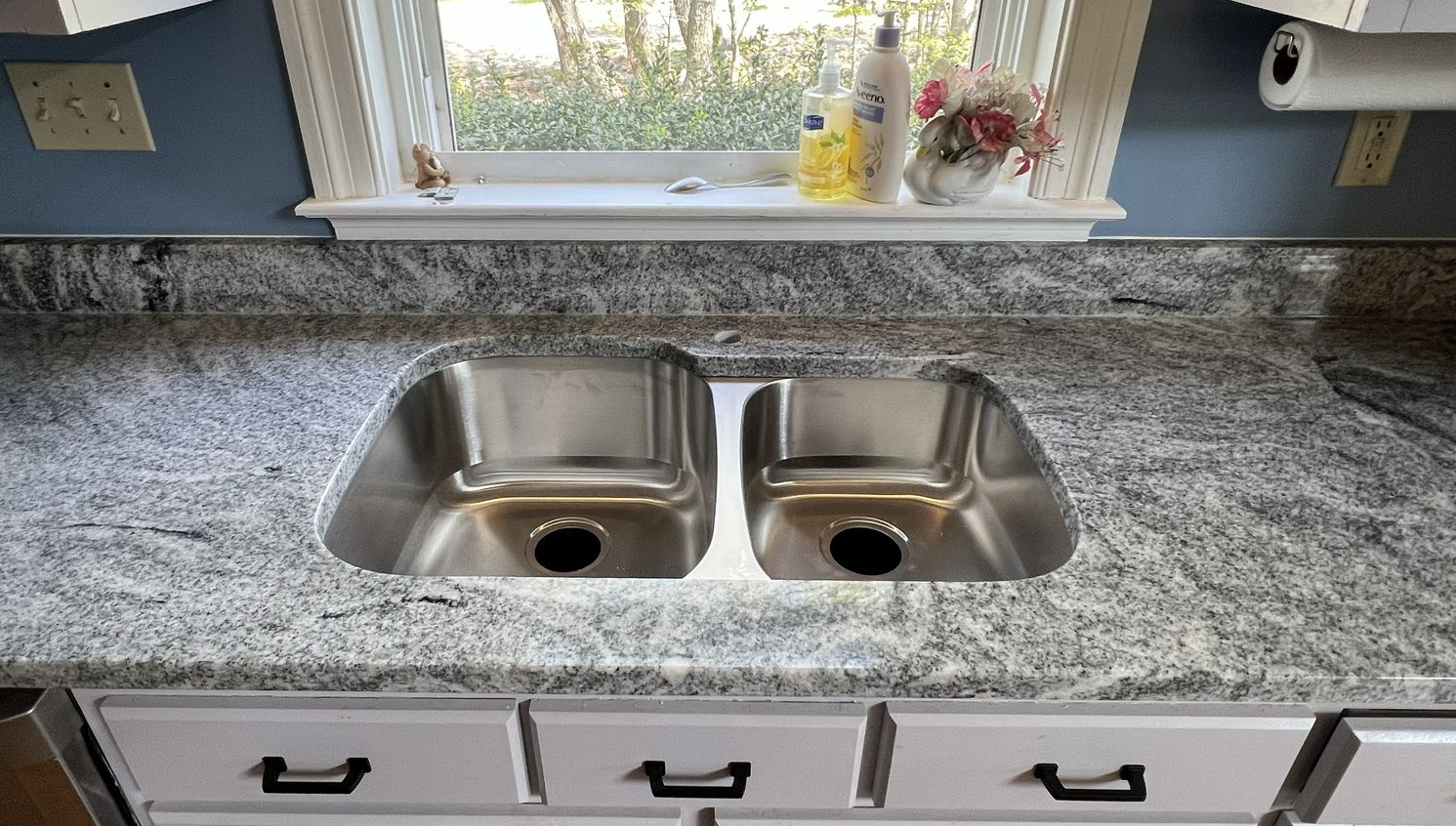
 Stainless Steel Undermount Sinks


A stainless steel sink is a timeless classic and remains one of the most popular choices for modern kitchens.


 Benefits of Stainless Steel Sinks


1. Durable & long-lasting
Stainless steel handles heavy, everyday use without damage. It's almost impossible to crack.


2. Easy to clean
This material naturally resists stains, bacteria, and odors. It’s a low-maintenance option.


3. Lightweight and versatile
Pairs well with
any countertop style — granite, quartz, or marble.


4. Cost-effective
More budget-friendly than quartz while still delivering a sleek, modern look.


Things to Consider

  • Stainless steel can scratch over time (although many scratches blend into a brushed patina).

  • Water spots may be visible if not dried.

Best for busy households, heavy cooking, and those who want a reliable, low-maintenance sink.


So… Which Sink Should You Choose?


Choose a quartz undermount sink if:
✔ You love a bold or modern style
✔ Design is your top priority
✔ You don't mind a little extra maintenance


Choose a stainless steel undermount sink if:
✔ You want durable, scratch-resistant performance
✔ You cook frequently and need something easy to maintain
✔ You want a sink that matches any style of kitchen


At MGL Granite Inc, all of our countertop installations include a quality stainless steel undermount sink at no additional cost — available in 50/50, 60/40, or single-bowl options.


If you’re interested in upgrading to a quartz sink or want to compare the options in person, our team is here to guide you. The right sink doesn’t just complete your countertop — it enhances the entire kitchen experience.


Quartz vs. Stainless Steel Sinks
January 12, 2026
Marble has long been admired for its beauty, making it a popular choice for countertops and vanities in both kitchens and bathrooms. From its timeless appeal to its unique patterns, marble adds an elegant touch to any space. But have you ever wondered how this stunning stone forms? Let’s explore the geological journey of marble and its role in creating beautiful surfaces. What is Marble? Marble is a metamorphic rock that forms when limestone undergoes a transformation process under heat and pressure deep within the Earth’s crust. Over millions of years, this change alters the composition of limestone, resulting in a denser, crystalline stone with unique patterns and colors. The final product, marble, is often celebrated for its aesthetic qualities, making it a preferred material for interior design, especially in kitchens and bathrooms. The Journey from Limestone to Marble The Precursor: Limestone Marble begins as limestone, a sedimentary rock primarily composed of calcium carbonate (CaCO₃). Over millions of years, limestone forms from the accumulation of marine organisms, like shells and corals, as well as from the precipitation of minerals from water. While limestone itself is beautiful, it is softer and more porous compared to marble. Heat and Pressure: The Metamorphic Transformation As limestone is buried deep within the Earth due to tectonic plate movements, it is subjected to high pressure and temperature. These conditions cause the calcium carbonate crystals in the limestone to recrystallize. The result is marble—denser and more compact than its limestone predecessor. The stone’s texture and structure are transformed, creating the unique crystalline appearance that marble is known for. The Role of Impurities One of the defining features of marble is its distinctive veining and color variations. These patterns are a result of impurities in the original limestone. As the limestone undergoes metamorphism, minerals such as iron, clay, and sand mix with the calcium carbonate, creating different colors and patterns. For example, the presence of iron may give the marble a reddish or brownish hue, while other minerals can contribute shades of gray, green, or black veining throughout the stone. Time and Earth's Forces Over millions of years, geological processes like tectonic shifts and erosion can bring marble closer to the Earth’s surface. Once exposed, it can be mined and processed into slabs, tiles, and other shapes to be used in various applications, including countertops and vanities. The marble’s natural beauty, shaped by its long journey, becomes a defining feature of any space. Why Marble is a Popular Choice for Countertops and Vanities Aesthetic Appeal Marble’s most striking feature is its unique appearance. Each piece of marble has its own distinct veining, color, and pattern, making it a highly sought-after material for countertops and vanities. Whether it’s the classic white of Carrara marble or the dramatic veining of dark-colored varieties, marble adds elegance and sophistication to any room. Timeless Elegance Marble has a long history, having been used in ancient architecture, sculptures, and monuments. Its timeless elegance makes it a perfect addition to both modern and traditional home designs. Whether you’re creating a sleek, contemporary kitchen or a luxurious, classic bathroom, marble complements a wide variety of styles. Variety of Options One of the benefits of marble is its wide range of color and pattern variations. From soft, neutral tones to bold, dramatic veins, there is a marble variety to suit any taste. Popular marble varieties for countertops include Carrara, Calacatta, Statuario, and Emperador, each with its unique characteristics and beauty. Conclusion The formation of marble is a fascinating natural process that takes millions of years, from the transformation of limestone under heat and pressure to the final crystallization that gives the stone its iconic look. Whether you’re using it in a countertop, vanity, or other design element, marble’s beauty, with its one-of-a-kind patterns and colors, will continue to be a favorite in interior design. With proper care, marble surfaces can last for many years, providing timeless elegance to any space.
local countertop company
January 11, 2026
If you're wondering why more homeowers are choosing quartz countertops, then read this article! Get in touch with our local countertop company today!
December 15, 2025
When planning your kitchen or bathroom countertops, one detail that often gets overlooked—but makes a big difference—is the backsplash. A backsplash is the vertical section of material installed on the wall directly behind your countertop. Its primary purpose is to protect your walls from water, grease, soap, and other everyday splashes, while also creating a clean, finished look that ties your design together. Why a Backsplash Is Important? Everyday tasks like washing dishes, cooking, or brushing your teeth can result in water, grease, and other debris hitting your walls. Without a backsplash, moisture can seep into the drywall over time, causing stains, damage, or even mold. A backsplash acts as a protective barrier, keeping your walls safe and making cleanup easier. Beyond protection, backsplashes enhance the overall look of your countertops. They create a smooth transition from counter to wall and add a polished, professional appearance to your kitchen or bathroom. Backsplash Heights and Options At MGL Granite, we can create backsplashes at any height to fit your design needs: Standard 4-Inch Backsplash: The industry standard is typically a 4-inch backsplash. It provides just the right amount of protection behind the countertop while maintaining a simple, timeless look. Full-Height Backsplash: Full-height backsplashes are more common in kitchens, especially behind ranges or sinks. They extend from the countertop up to the bottom of the cabinets—or even to the ceiling—creating a seamless, elegant look. Custom Wall Pieces: We can also fabricate custom backsplash pieces for walls, vanities, or other surfaces where a standard height might not fit your design. This flexibility allows you to achieve a truly personalized, high-end finish. Tile Backsplashes Some homeowners choose tile backsplashes for color, texture, or pattern. While tile can be beautiful, MGL Granite does not provide tile installation. However, we’re happy to coordinate with your tile installer to ensure a perfect fit where the countertop meets the wall. Finishing Touches That Make a Difference Choosing the right backsplash is about more than style—it’s about functionality and protecting your investment. Whether you prefer the simplicity of a 4-inch standard, the dramatic look of a full-height backsplash, or a custom piece to fit your walls, MGL Granite can fabricate and install the perfect solution for your space.
More Posts →