December 3, 2025
Granite is renowned for its robust durability, a characteristic that stems from its natural hardness. Formed over millions of years deep within the earth, granite is a dense material that can withstand significant wear and tear. Its resistance to damage from heavy pots, sharp knives, and other kitchen essentials makes it an ideal choice for those who prioritize longevity. Furthermore, granite is less likely to chip or crack compared to other countertop materials, thus reducing maintenance costs over time. When properly sealed, granite can deliver decades of exceptional service, reaffirming its status as a long-term investment. Among leading countertop companies, granite is often praised for being both reliable and long-lasting.
1. Aesthetic Appeal
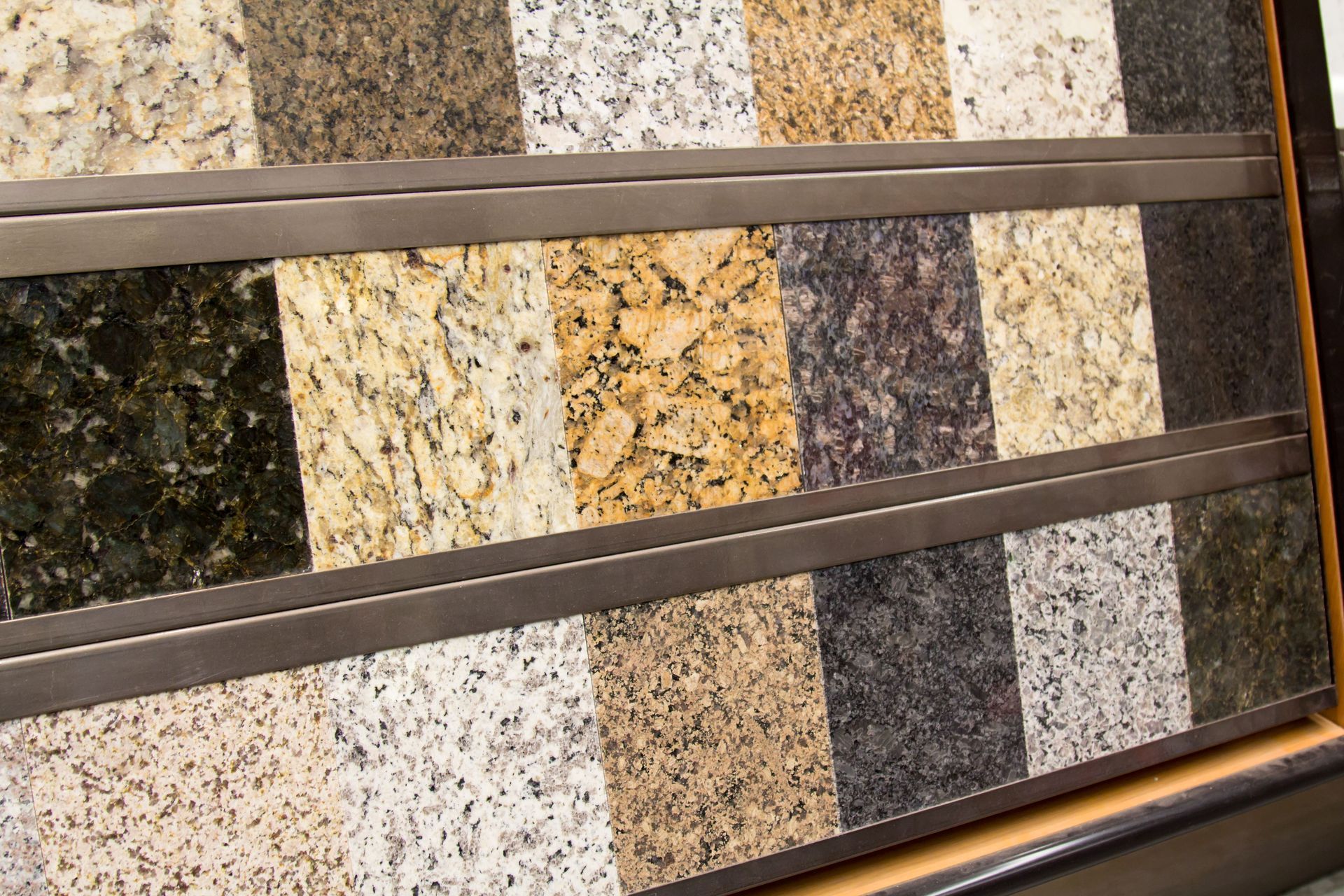
Granite countertops offer an extensive variety of colors that cater to diverse aesthetic preferences. From deep blacks to vivid reds and greens, granite presents a spectrum of hues that can complement any kitchen decor. The availability of numerous color options allows homeowners to find the exact shade that resonates with their personal style. In addition to color, granite also offers rare patterns formed by unique mineral compositions, adding character to each slab. These natural patterns make every piece of granite distinct, turning countertops into focal points of artistic expression.
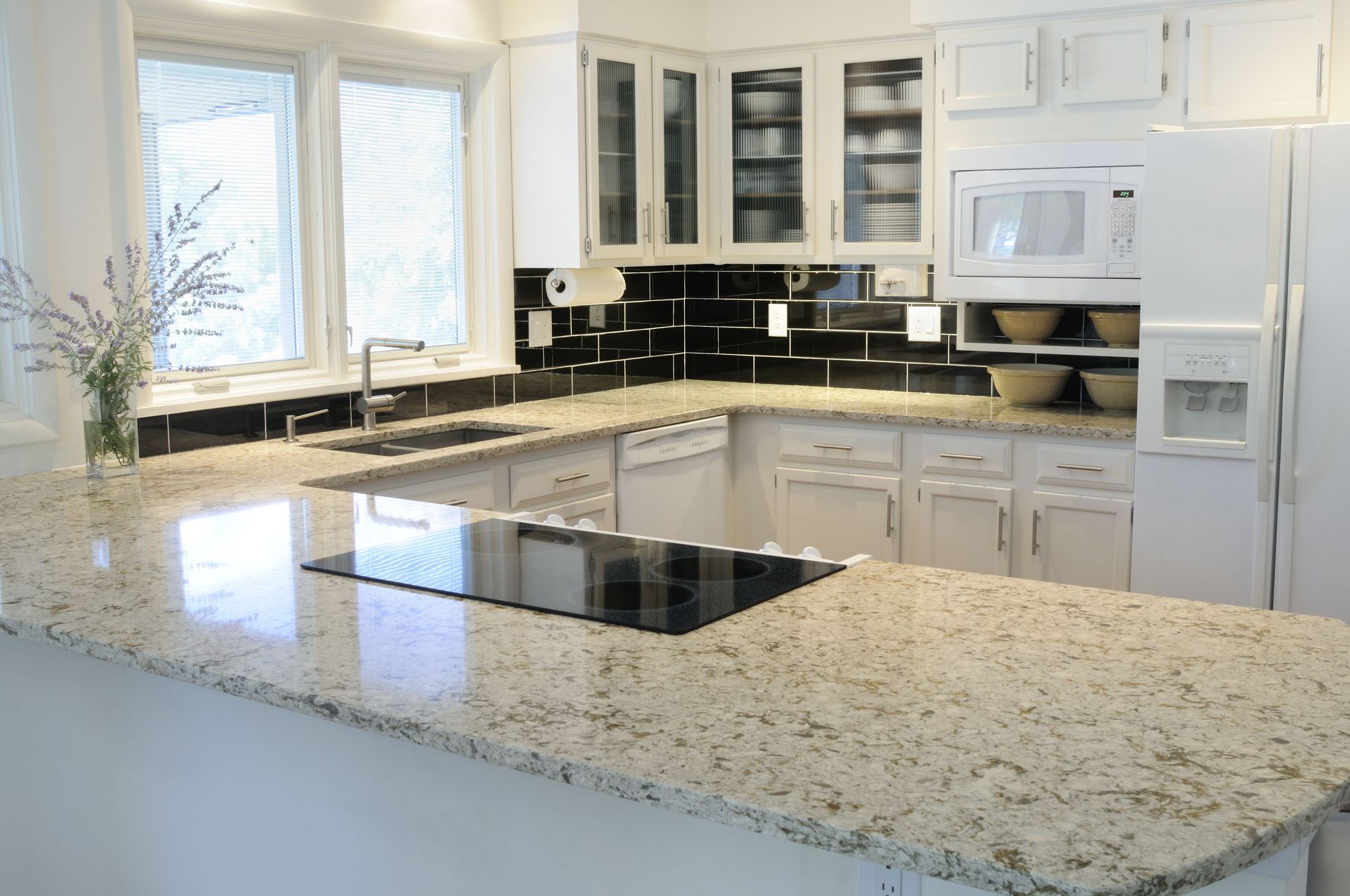
The luster and shine of granite surfaces add elegance and sophistication to any kitchen setting. This seamless luster is achieved through meticulous polishing, which brings out the inherent beauty and depth of the stone's colors and patterns. Unlike synthetic materials, the shine of granite is timeless and does not diminish with age when proper care is administered. This enduring quality makes granite an attractive option for homeowners who value long-lasting beauty. Countertop companies often recommend granite for its ability to maintain a luxurious finish for years.
A defining attribute of granite is its versatility in complementing various kitchen styles. Whether your kitchen features rustic charm or modern minimalism, granite adapts effortlessly. Its timeless nature ensures that homeowners can update other design elements without needing to replace their countertops. With its adaptable nature, granite harmonizes with cabinetry, appliances, and other kitchen features, providing a cohesive and polished look. For this reason, many countertop companies highlight granite as a design-forward yet practical choice.
2. Increases Home Value
Granite’s aesthetic and functional benefits significantly enhance a home's marketability, making it attractive to potential buyers. The stunning appearance of granite countertops can create a positive first impression during home tours, instantly elevating the perceived quality of the kitchen. In real estate markets, kitchens are among the most scrutinized spaces, and elegant countertops can be a persuasive selling point. Well-maintained granite surfaces often become the centerpiece of a kitchen, highlighting attention to detail in the home. Consequently, buyers are willing to pay a premium for homes with this desirable feature.
According to Data Horizzon Research, installing granite countertops can increase a home's value by up to 25% of the countertop cost. This notable return on investment (ROI) shows how granite is not just a style choice but also a strategic financial decision. Unlike certain renovations that depreciate over time, granite countertops hold their value due to enduring appeal and resilience. Countertop companies frequently emphasize this benefit to sellers aiming to maximize their home’s sale potential. The blend of beauty and durability ensures granite remains a favored upgrade with tangible financial returns.
A comparative look at other materials reinforces granite’s value. While laminate or solid surfaces may offer initial savings, they lack granite’s upscale appeal. Even durable alternatives like quartz may not match the natural uniqueness of granite. Real estate insights consistently highlight the premium status of granite among home features, aligning with buyers’ quality expectations. As a long-term investment, granite stands as a viable upgrade recognized by countertop companies as a timeless choice.
3. Eco-Friendly Attributes
Granite is a natural product that aligns with environmentally conscious construction and remodeling goals. Its formation over millennia results in a resource that doesn’t require extensive chemical processing, unlike manufactured materials. Granite extraction involves mining, but advances in eco-friendly mining techniques have reduced the ecological footprint. Additionally, the durability of granite means homeowners rarely need to replace it, conserving resources over time. This sustainable aspect contributes to a home environment that capitalizes on natural beauty without undue environmental impact.
Granite’s longevity directly minimizes waste—another eco-friendly advantage. Because it can last for decades, homeowners contribute less to landfill accumulation compared to shorter-lived alternatives. The choice of granite supports sustainable living practices, favoring durability and long-term use over frequent replacements. Moreover, granite is recyclable and can be repurposed for other uses, enhancing its green credentials. Countertop companies that prioritize sustainability often highlight granite’s minimal environmental impact compared to synthetic options.
Innovations in granite production and installation also support energy efficiency goals. Modern processing techniques emphasize reduced energy consumption, minimizing environmental impact. Eco-conscious installation methods often employ adhesives and sealants with low volatile organic compounds (VOCs), reducing harmful emissions. Energy-efficient practices throughout mining, processing, and installation support a greener choice for kitchen renovations, a point frequently emphasized by eco-minded countertop companies.
4. Versatility and Customization
Granite countertops stand out for their versatility and customization options. Because granite can be cut into various sizes and shapes, it accommodates a wide range of kitchen layouts and styles. Homeowners can select specific dimensions that fit seamlessly into their space. Custom fabrication ensures consistency with unique kitchen features, maximizing both practicality and visual impact. Furthermore, a range of edge profiles and finishes are available, adding another layer of personalization to kitchen design.
Edge profiles influence both appearance and functionality. Choices range from simple square edges to more ornate beveled and ogee designs, each providing a distinct profile. These profiles can also enhance safety by eliminating sharp angles, which is ideal for family kitchens. Finishing options—such as honed, polished, and leathered textures—further highlight granite’s natural beauty. Countertop companies often note how these custom details transform granite into a truly one-of-a-kind surface.
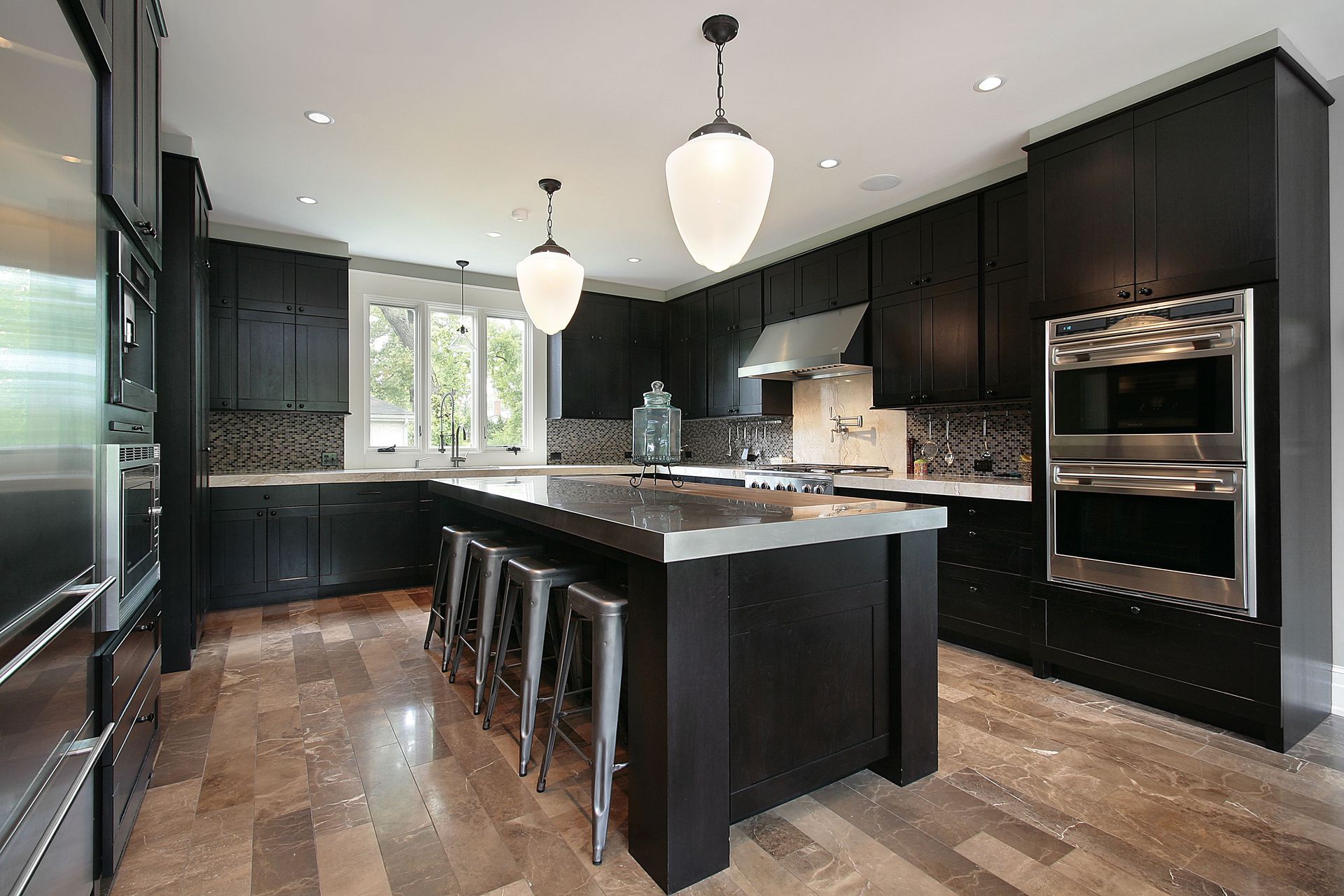
Granite’s adaptability extends to its compatibility with various materials, supporting creative kitchen designs. It pairs beautifully with stainless steel appliances, wooden cabinetry, and tile backsplashes, harmonizing with both classic and contemporary aesthetics. This versatility empowers homeowners to create cohesive kitchen spaces that reflect their personal tastes. As countertop companies affirm, granite offers flexibility that complements nearly any design vision.
5. Health and Safety Benefits
Granite countertops also promote a healthier and safer kitchen environment. Their low bacteria retention is a major advantage—properly sealed granite surfaces resist microbial growth. This makes cleaning easier and more effective, minimizing bacterial contaminants in food preparation areas. The non-porous nature of sealed granite ensures that moisture and bacteria do not easily penetrate, helping households maintain higher hygiene standards.
Cleaning granite countertops is simple and convenient. Unlike more porous materials, sealed granite requires only mild detergent, warm water, and a soft cloth. This ease of cleaning means fewer harsh chemicals, which helps maintain both the countertop’s finish and indoor air quality. Countertop companies frequently recommend granite for households prioritizing low-maintenance yet hygienic surfaces.
Granite is also allergy-friendly, as it doesn’t harbor dust, mold, or dander—an added benefit for allergy sufferers. Its dense surface helps maintain a clean, allergen-free environment and resists damage from common household chemicals. With optional non-porous coatings, homeowners can enhance both safety and durability. Granite’s inherent properties support a kitchen that is as healthy as it is beautiful.
Granite countertops represent the perfect blend of functionality, aesthetics, and long-term value. By understanding its benefits—from durability and beauty to eco-friendliness and hygiene—homeowners can make informed decisions that enhance both style and practicality. With proven value retention and sustainability advantages, granite continues to lead among preferred materials used by top countertop companies .
Whether you’re remodeling or upgrading your home, granite offers a timeless, reliable solution that enhances property value and everyday living. For expert craftsmanship, personalized service, and premium materials, contact MGL Granite Inc today to begin your journey toward a stunning and durable kitchen transformation.