What is Backsplash and Why is it Important?

December 15, 2025
When planning your kitchen or bathroom countertops, one detail that often gets overlooked—but makes a big difference—is the backsplash. A backsplash is the vertical section of material installed on the wall directly behind your countertop. Its primary purpose is to protect your walls from water, grease, soap, and other everyday splashes, while also creating a clean, finished look that ties your design together.

Why a Backsplash Is Important?

Everyday tasks like washing dishes, cooking, or brushing your teeth can result in water, grease, and other debris hitting your walls. Without a backsplash, moisture can seep into the drywall over time, causing stains, damage, or even mold. A backsplash acts as a protective barrier, keeping your walls safe and making cleanup easier.

Beyond protection, backsplashes enhance the overall look of your countertops. They create a smooth transition from counter to wall and add a polished, professional appearance to your kitchen or bathroom.

Backsplash Heights and Options

At MGL Granite, we can create backsplashes at any height to fit your design needs:

  • Standard 4-Inch Backsplash: The industry standard is typically a 4-inch backsplash. It provides just the right amount of protection behind the countertop while maintaining a simple, timeless look.
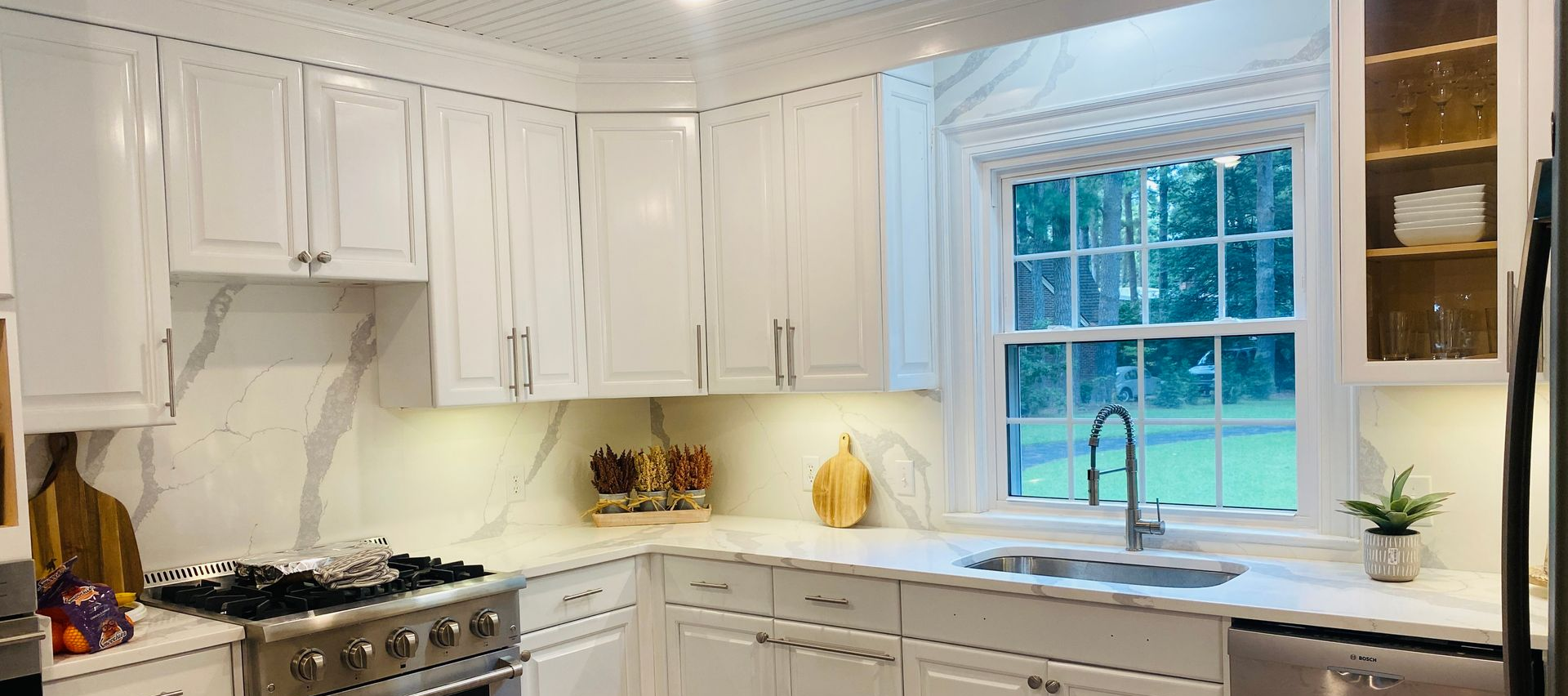
  • Full-Height Backsplash: Full-height backsplashes are more common in kitchens, especially behind ranges or sinks. They extend from the countertop up to the bottom of the cabinets—or even to the ceiling—creating a seamless, elegant look.
  • Custom Wall Pieces: We can also fabricate custom backsplash pieces for walls, vanities, or other surfaces where a standard height might not fit your design. This flexibility allows you to achieve a truly personalized, high-end finish.

Tile Backsplashes

Some homeowners choose tile backsplashes for color, texture, or pattern. While tile can be beautiful, MGL Granite does not provide tile installation. However, we’re happy to coordinate with your tile installer to ensure a perfect fit where the countertop meets the wall.

Finishing Touches That Make a Difference

Choosing the right backsplash is about more than style—it’s about functionality and protecting your investment. Whether you prefer the simplicity of a 4-inch standard, the dramatic look of a full-height backsplash, or a custom piece to fit your walls, MGL Granite can fabricate and install the perfect solution for your space.

What is Backsplash and Why is it Important?
countertop companies
December 3, 2025
Discover why granite is a durable, stylish, and eco-friendly choice for any kitchen, backed by trusted countertop companies known for quality and value.
November 24, 2025
Granite is one of the most popular choices for kitchen and bathroom countertops—and for good reason. It's durable, beautiful, and timeless. But like any natural stone, granite needs a little care to keep it looking its best. One of the most important steps in maintaining granite countertops is sealing them. In this post, we’ll walk you through the basics of sealing granite, why it’s so important (especially for countertops that get regular use), and how MGL Granite can help. Why Does Granite Need to Be Sealed? Granite is a natural stone with a porous surface. That means that if it's left unsealed, liquids like water, oil, wine, or juice can seep into the stone, causing stains or even long-term damage. Bacteria can also find their way into those tiny pores, which isn’t something you want on your food prep surfaces. Sealing your granite countertops helps create a protective barrier that: Repels moisture and spills Prevents staining Makes cleaning easier Extends the life and beauty of your countertops How Often Should You Seal Granite? It depends on the type of granite, how much use your countertops get, and the type of sealer used. Some granite varieties are denser and require sealing less often, while others are more porous and need more frequent attention. As a general rule: Seal high-use kitchen countertops once a year. For less frequently used areas (like guest bathrooms), every 2–3 years may be enough. Pro Tip: Not sure if it's time to reseal? Drip a few drops of water on the surface. If it beads up, you're good. If the water soaks in, it's time to reseal. How to Seal Granite Countertops: Step-by-Step 1. Clean the Surface Thoroughly: Wipe down your granite with a gentle stone cleaner or warm soapy water. Remove all residue and let it dry completely before sealing. 2. Choose the Right Sealer: Use a granite-specific penetrating (or impregnating) sealer that soaks into the stone to provide long-lasting protection. 3. Apply the Sealer: Follow the instructions on the label. Typically, you'll a pply the sealer evenly with a clean cloth or applicator pad. Let it absorb for about 15–20 minutes. Wipe off any excess with a clean, dry cloth 4. Let It Cure: Most sealers cure within 24 hours. During this time, avoid using the surface or getting it wet. Want a Professional to Handle It? We've Got You Covered! At MGL Granite, we don’t just install granite—we help you maintain it. We offer professional granite sealing services, so you don’t have to worry about the mess or guesswork. Whether you need sealing for a newly installed countertop or want to refresh an older surface, we’re here to help. Keep Your Granite Looking Great for Years Sealing your granite countertops is a simple step that goes a long way in protecting your investment. With regular maintenance—or a visit from our team—you can enjoy the beauty and durability of your countertops for decades to come. Contact us today to schedule your sealing service or ask about the best care plan for your countertops!
countertop
November 20, 2025
Explore how to choose the right countertop for your kitchen remodel, considering style, durability, maintenance, and functionality to transform your space.
More Posts →